Wisdom teeth arrive between the ages of 17 and 25, long after the rest of your teeth have settled in. Since then they have been blamed for crowding, pain and countless dental appointments. So are wisdom teeth actually important, or are they a feature we no longer need?
The honest answer sits somewhere in the middle. Our ancestors chewed raw roots, nuts and tough meat, and those extra molars earned their place. Softer modern diets and smaller jaws changed that deal. A UAE study found that 23.05% of 2,000 Emirati patients’ dental X-rays showed at least one impacted lower wisdom tooth, which is close to the roughly 24% global estimate the same study cites. Yet some people have wisdom teeth that fit, function and never cause a problem, and others never grow them at all.
So whether yours matter depends on your jaw, your bite and how those teeth sit. Read on through this full guide to see why humans had them, what they still do, when they are worth keeping, and which myths to drop.
What Are Wisdom Teeth, Really?
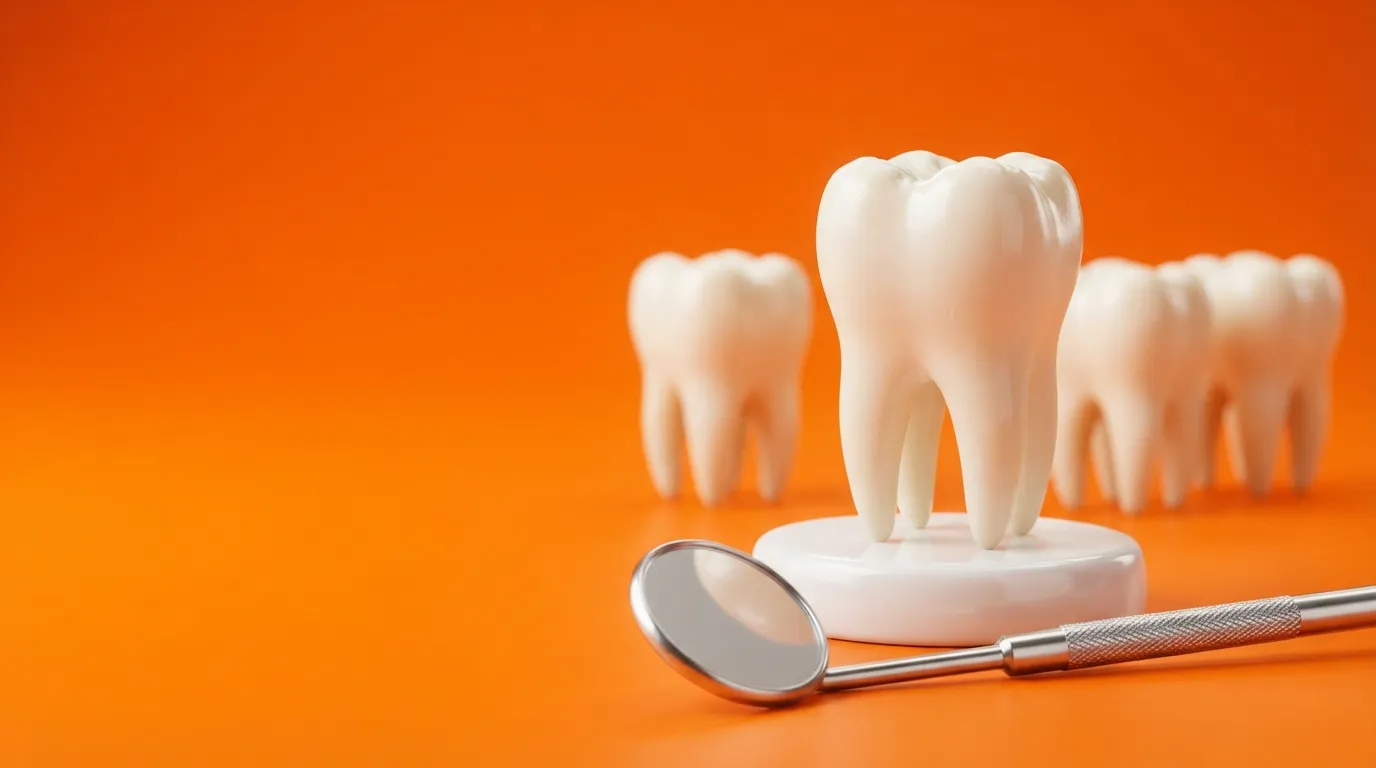
Wisdom teeth are your third molars, the last set of teeth in the adult mouth. They sit at the very back of each jaw, behind the second molars. A full set is four: one in each corner, two upper and two lower. With all four, an adult mouth has 32 teeth, and without them it has 28.
Unlike most of our teeth, they take their time. Their crowns start forming quietly inside the jaw during childhood. They usually push through the gums in the late teens or early twenties, which is why they came to be called wisdom teeth. They arrive at the age when a person is traditionally considered to be gaining maturity.
That late arrival is also what makes them different from every other tooth. By the time they appear, the rest of your teeth have already claimed their spots, and the space left at the back of the jaw varies a great deal from person to person. So no two people’s wisdom teeth look or behave quite the same:
- Some erupt fully, sit upright and meet the opposing teeth the way any molar does.
- Some erupt partly, breaking through the gum only in part.
- Some stay hidden beneath the gum or bone because there is no room for them.
- Some never form at all.
Which of these describes your own mouth decides whether yours are important.
Why Did Humans Have Wisdom Teeth in the First Place?
To understand why we have wisdom teeth, picture the mouth they were built for. Our ancestors didn’t eat soft, cooked, pre-cut food. Their diet was tough and abrasive: raw roots, fibrous plants, nuts, seeds and chewy uncooked meat. Eating like that is hard on teeth.
- Heavy chewing meant heavy wear. Grinding tough food all day gradually flattened the biting surfaces of the molars. Gritty roots and the dirt that came with them wore them down faster still. Over a lifetime, many early humans lost teeth to wear, damage and decay, with no dentist to repair them.
- Extra molars were a useful backup. In that setting, a third set of molars arriving in early adulthood made sense. They added grinding surface right when the first two sets had already seen years of use. They also gave the mouth a spare, so a worn-out or lost molar didn’t leave a big gap in chewing power. Researchers generally see this as the main reason the trait stuck around.
- There was room for them. Early humans also had larger, more robust jaws, with space at the back of the mouth for a third molar to come in and sit upright. A tooth with a place to go could do its job.
In that world, wisdom teeth earned their keep. The next question is what changed, and why so many modern mouths no longer have the same room or the same need.
Why Modern Humans Often Don’t Need Them

The conditions that made wisdom teeth useful have mostly disappeared. Here is how the picture changed:
- Diet: Our ancestors ate raw roots, nuts and tough meat. Today most meals are soft, cooked and processed.
- Food preparation: Teeth did most of the work in the past. Now cooking, knives, grinders and mills break food down before it reaches the mouth.
- Tooth wear: It used to be heavy, so molars wore out or were lost. Today it is light, so most people keep their molars for life.
- Need for a spare set: It used to be high, since wisdom teeth replaced worn molars. Today it is low, since the backup is rarely called on.
- Jaw size: Jaws used to be larger, with room at the back. They are often smaller now, with less space.
- Fit of the third molar: There was usually room to erupt upright. Today the tooth is often tilted, partly erupted or trapped.
What this means: We no longer chew like our ancestors, and our jaws no longer have the same space. Many researchers link softer diets to smaller jaws over generations. Teeth didn’t shrink at the same pace, so the back of the mouth often can’t fit a third molar. For most modern people, wisdom teeth are an extra rather than a necessity.
So what do they still do today?
What Do Wisdom Teeth Actually Do?
Your back teeth are the heavy machinery of your mouth, and wisdom teeth are the last pieces to arrive. Here is what they do:
- They grind food. Like the other molars, a wisdom tooth has a wide, bumpy surface that presses against the tooth above or below it. The bumps fit together like a mortar and pestle and crush food before you swallow. Because they sit at the very end of the chewing line, they add one more grinding station at the back of the mouth.
- They only work if they meet a partner. To contribute, a wisdom tooth needs to:
- break through the gum far enough to reach biting level,
- stand upright instead of tilted, and
- have a matching tooth in the opposite jaw.
- They do very little if any of these is missing. A tooth that comes in at an angle, stays half-buried or has nothing opposite it has nothing to grind against.
- They play a supporting role. They are usually smaller and less regular in shape than the molars in front of them. They also sit so far back that they are the last teeth food reaches.
Wisdom teeth help with chewing, but only modestly, and only when everything lines up.
Are Wisdom Teeth Vestigial? What Science Says
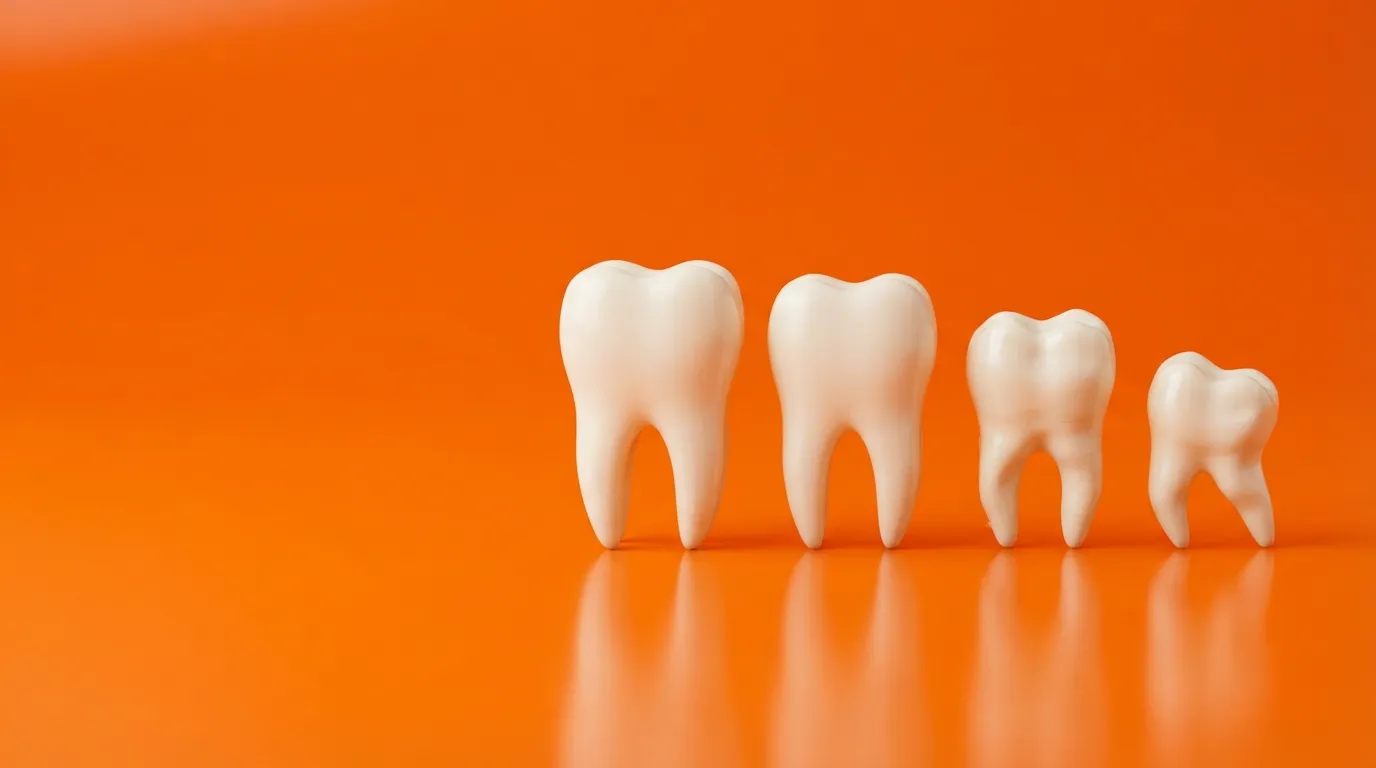
Short answer: Partly. Wisdom teeth are often called vestigial because modern diets and smaller jaws have reduced our need for them. But many still work, so researchers tend to describe them as a shrinking, highly variable trait rather than a completely useless leftover.
A vestigial structure is a body part that has lost most or all of its original job through evolution. The appendix and tailbone are the usual examples, and wisdom teeth often get added to the list.
Why the label seems to fit
- Our diets no longer need the heavy chewing wisdom teeth were built for.
- Jaws have shrunk, so many wisdom teeth have no room to come in.
- They are the teeth most likely to come in tilted, partly erupted or stuck.
- Their size, shape and roots vary more than any other tooth.
- Some people never develop them at all.
Why it isn’t quite fair
- A wisdom tooth that erupts upright and meets a partner grinds food like any other molar.
- A healthy one can stand in if another molar is lost.
- It can also help support dental work such as bridges.
A part that still does a job hasn’t truly lost its function, even if the job matters less than it once did. Wisdom teeth sit in the gray zone between useful and useless, and which side yours land on depends on your own mouth.
Born Without Them: Missing Wisdom Teeth
Picture this: you sit down for a routine dental X-ray, expecting the dentist to point out your wisdom teeth. Instead, they find nothing. No tilted crowns, no buried molars, just clear jaw where the teeth should be. Nothing is wrong. You were simply born without them.
This happens more often than most people realize. It is called agenesis, and it means the tooth never formed in the first place. It is different from a tooth that is stuck under the gum, because that one exists and this one never did. Wisdom teeth are the tooth most often affected. Some people are missing one or two, and some are missing all four.
How common is it?
It depends on where you look. In a study of Italian and Lebanese adolescents, about 23% had at least one wisdom tooth missing. Other regions report noticeably different numbers, so no single figure fits everyone.
Why does it happen?
The causes are developmental and genetic: for some reason, the tooth bud never forms or stops early. Researchers have proposed three main explanations:
- Evolutionary pressure. With smaller jaws, a tooth that never forms can never become impacted, so missing wisdom teeth may have been favored over time.
- Delayed development. The tooth bud may start so late that it never gets going.
- Chance mutation. A genetic change may have switched off development.
None of these is settled, and more than one may be at work.
Is this a modern thing?
Not entirely. Studies of ancient skeletons show that missing third molars were already common among Late Upper Paleolithic people in Western Eurasia, roughly 22,500 to 10,000 years ago, and that the rate seems to have risen over time. Researchers suggest this could reflect selection for smaller teeth and jaws, as well as changes in how food was prepared. Whether wisdom teeth are slowly disappearing from the human line is still debated, and the evidence doesn’t give a firm answer.
Does it change how you chew?
No. People born without wisdom teeth chew, speak and eat normally.
When Wisdom Teeth Are Genuinely Useful
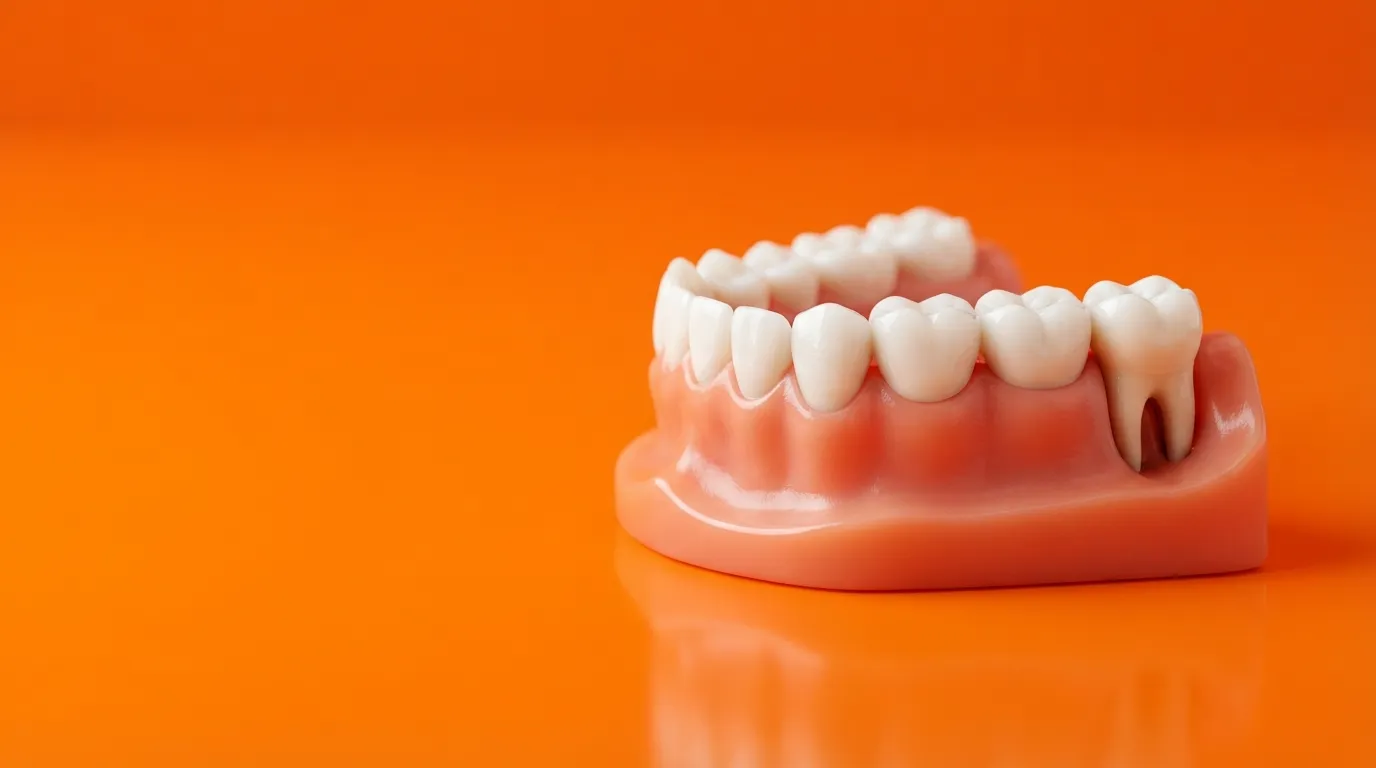
Not every wisdom tooth is a problem or a leftover. Some are useful working teeth. A wisdom tooth earns its place when it passes the checklist below.
The useful wisdom tooth checklist
- It has fully erupted. The tooth has come through the gum and reached the same biting level as the molars in front of it, rather than staying partly covered.
- It stands upright. It sits straight in line with the other molars, not tilted toward them or leaning backward.
- It has a partner. A matching tooth in the opposite jaw meets it when you bite. Without that partner, there is nothing to grind against.
- It has room. It sits at the back of the jaw without crowding the second molar next to it.
- It is easy to keep clean. You can reach it with a brush and floss as easily as the other teeth, so it stays healthy.
What this looks like in real life
A wisdom tooth that ticks these boxes behaves like any other molar. It shares the chewing load, adds grinding surface at the back of the mouth and goes unnoticed. For people with teeth like this, a wisdom tooth is a quiet extra that works, not a problem waiting to happen.
How common is this?
It varies from person to person and depends on jaw size and how the tooth erupts. Some mouths have room for all four wisdom teeth, and others have room for none. That is why there is no universal answer to whether wisdom teeth matter.
A Hidden Value: Wisdom Teeth as Replacements or Anchors
A wisdom tooth you rarely think about can become valuable later in life, in two ways.
As a replacement for a lost molar
- When it applies: A first or second molar is lost to decay, gum disease or injury, leaving a gap at the back of the mouth.
- How it helps: A healthy wisdom tooth may drift forward and partly fill the gap on its own. A dentist can sometimes move it into the space with orthodontic treatment, or transplant it into the empty socket, which is called autotransplantation.
- The result: A natural tooth back at the chewing line, with no implant or false tooth needed.
- The fine print: Transplanting works best when the tooth’s roots are not yet fully formed.
As an anchor for dental work
- When it applies: A molar is missing at the back of the mouth and a dental bridge is needed to replace it.
- How it helps: A bridge attaches a false tooth to the healthy teeth on either side of the gap. A wisdom tooth may be the last tooth available to serve as the rear anchor. Without it, a bridge may not be possible.
- The result: A fixed replacement supported by a natural tooth, rather than a removable one.
- The fine print: The tooth must be healthy, well positioned and have suitable roots.
Wisdom Teeth and Stem Cells
Wisdom teeth have a value that has nothing to do with chewing: researchers study them as a source of stem cells. Here are four common claims, and where each one stands.
Claim 1: “Wisdom teeth contain stem cells.”
Verdict: True. Dental pulp stem cells were first successfully isolated from an extracted third molar in 2000. Researchers often choose wisdom teeth because they are the last teeth to develop and can provide a good quantity of dental pulp tissue.
Claim 2: “Those stem cells can become other tissues.”
Verdict: Shown in the lab. Dental pulp stem cells can differentiate into a variety of cell types, including bone-forming cells and fat cells. One Spanish university team demonstrated in vitro that the cells could form bone, liver and nerve-like tissue. “In vitro” means in a dish, not in a patient.
Claim 3: “They’re already used to treat disease.”
Verdict: Partly, and still developing. A 2023 review reports clinical trials using dental stem cells for conditions such as pulpitis, periodontitis and acute ischemic stroke, with satisfactory effects. But other reviewers note that clinical use has been limited by safety questions, inconclusive quality control, and clinical-grade production not yet being achieved.
Claim 4: “I should bank my wisdom teeth’s stem cells.”
Verdict: Possible, but not guaranteed to pay off. Baby teeth, wisdom teeth and other healthy extracted teeth can have stem cells isolated, frozen and preserved. The catch is that the number of viable stem cells declines with age, and treatments are still in development, so storing cells today doesn’t promise a use later.
Wisdom teeth are a real source of stem cells, and the lab results are exciting. But the medical uses are still being worked out, so this is a promising future rather than a present-day reason to keep or remove a tooth. That decision belongs to you and your dentist.
Do Wisdom Teeth Cause Crowding? Separating Myth From Fact
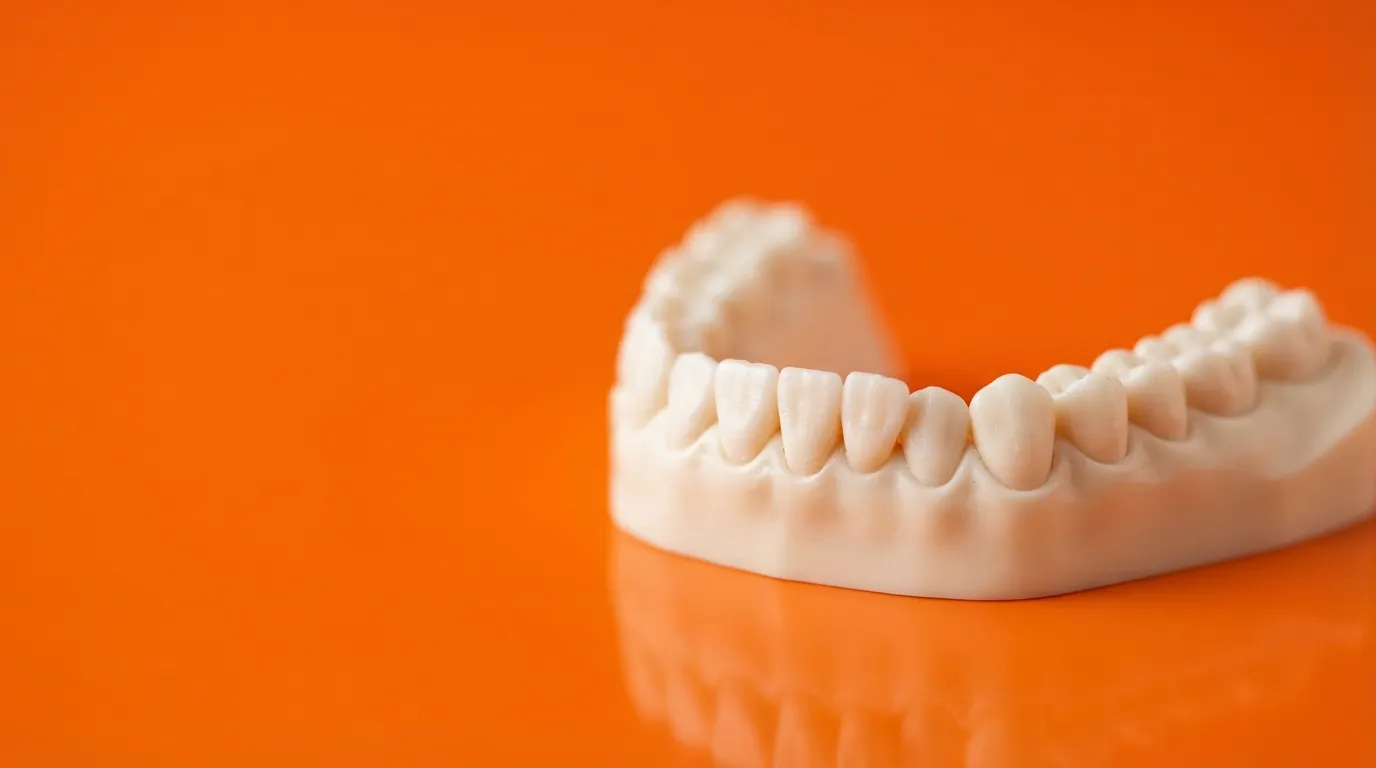
Many people have heard that wisdom teeth shove the front teeth out of line. That is one of the most repeated claims about them, and also one of the most debated. Here are three common beliefs, set against what the research shows.
Myth 1: “Wisdom teeth push your front teeth out of line.”
The fact: The idea has been around for a long time. The theory is that erupting lower wisdom teeth exert forward pressure on the teeth in front of them. But the evidence hasn’t backed it up as the main cause. Multiple factors contribute to lower front-tooth crowding, and the role of wisdom teeth remains controversial among clinicians.
A 2025 study of 64 CBCT scans in Yemen compared people with and without lower wisdom teeth. It found no statistically significant difference in front-tooth crowding between the two groups.
Myth 2: “Removing wisdom teeth prevents crowding.”
The fact: This is the claim most often used to justify taking out healthy wisdom teeth, and the evidence for it is thin. The Cochrane review, a respected evidence summary, found only one randomized trial comparing removal with retention. It was done in adolescents and showed no effect on lower incisor crowding over 5 years. The reviewers noted that the trial was at high risk of bias, so it doesn’t settle the question either way.
A 2023 systematic review looked at crowding that returns after braces. It found that the vast majority of studies reported no statistically significant link, though a minor effect has been suggested, and it did not find adequate evidence to advocate preventive removal for this reason. It also noted that most of the studies were highly biased.
Myth 3: “The science is settled.”
The fact: It isn’t, and small studies don’t all agree. A CBCT study of 40 scans from an Indian dental institute found a significant positive correlation between lower wisdom teeth and lower front-tooth crowding. That sits against the Yemeni result above. Both are small studies, which is why larger, better-controlled research matters.
Where the evidence leaves us
The best available evidence does not show that wisdom teeth are the main cause of crowding, and it doesn’t support removing them for that reason alone. But the research is still mixed, so neither “they cause it” nor “they never do” is proven. If crowding is a worry for you, that is a question for your dentist or orthodontist, who can judge your own mouth.
When Their Importance Fades
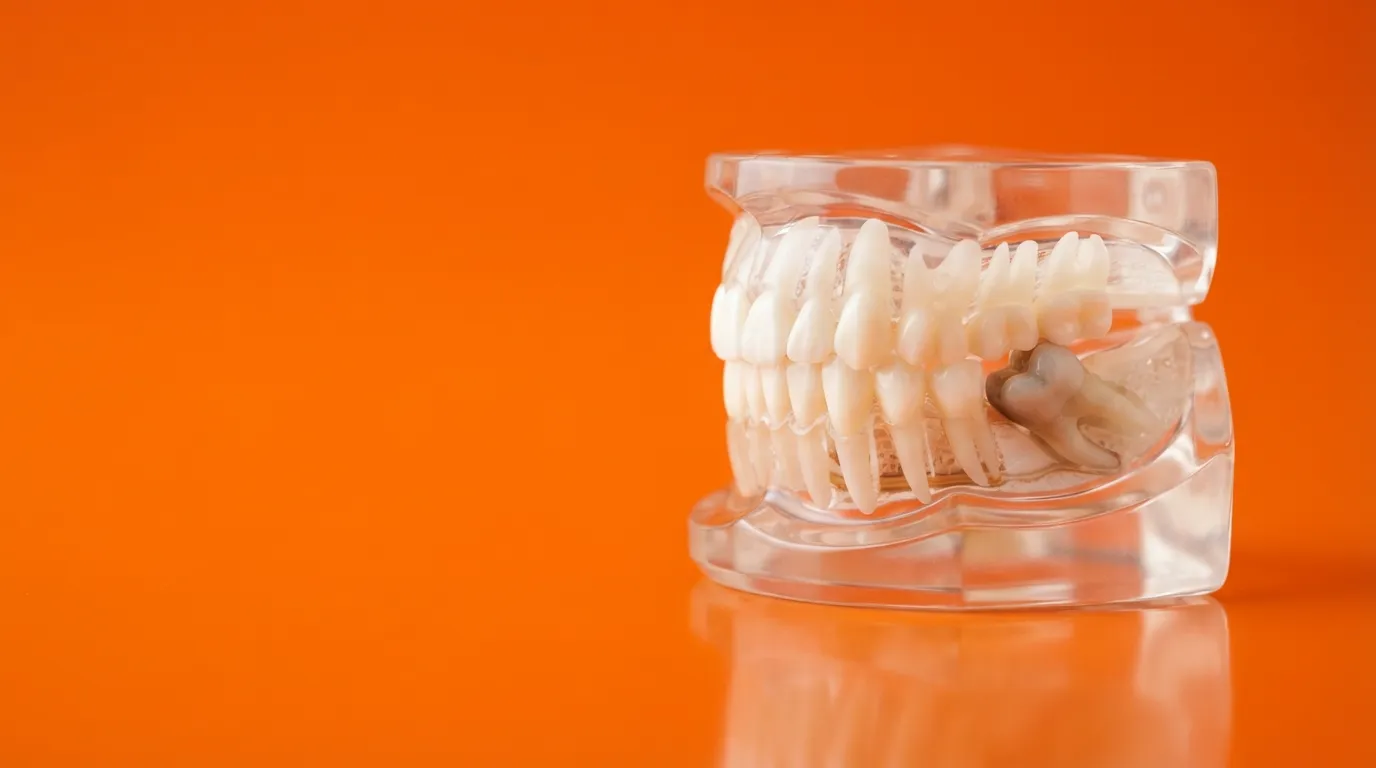
Wisdom teeth sit on a scale of importance. At one end they are working teeth, and at the other they contribute nothing. Here are the three levels:
- Active contributor: The tooth is fully erupted, upright and meets a partner tooth. It grinds food like any other molar, and its importance is intact.
- Passive presence: The tooth has come in but has no partner tooth, or only partly meets it. It does little for chewing, and whether it matters later depends on whether it could serve as a spare or an anchor.
- Little to no value: The tooth is stuck or tilted with no room to do its job. Lack of space is the usual cause, because the neighboring second molar can block the eruption path and stop the wisdom tooth from fully coming in.
A few facts help put this in context:
- Jaw structure plays a part. A study of 100 skulls at Ajman University concluded that face type and the structural features of the facial skeleton play a significant role in abnormal eruption of the lower third molar.
- It is common. In a study of 704 dental X-rays from Fujairah Dental Center, 236 (33.6%) showed impacted teeth, and 93.4% of the impacted teeth were third molars.
- A low-value tooth can still affect the mouth. Impacted lower wisdom teeth are associated with pericoronitis (gum inflammation), decay on the neighboring tooth, root resorption and cysts. In one UAE study, 126 impacted teeth (18.36%) had associated carious lesions.
- Not every impacted tooth causes trouble. That is why each one is judged case by case.
A wisdom tooth’s importance fades when it lacks space, a partner tooth or a full eruption. These signs are things to raise with your dentist, not a way to diagnose yourself.
Can You Live Normally Without Wisdom Teeth?
Short answer: Yes. People live, eat and smile normally without them. The common worries are about chewing, the jaw joint and face shape, so here is each one checked against what is known.
Worry 1: “Will I chew worse?”
Barely, if at all.
- Dentistry’s shortened dental arch concept rests on the finding that the front teeth and premolars can compensate for the function of the molars, at least for several years.
- One small study of 28 people found that those missing molars had chewing performance and satisfaction within an acceptable range of people with complete dentition.
- Even losing a second molar, which sits in front of the wisdom tooth, is estimated to reduce chewing efficiency by only about 5% to 7%. A wisdom tooth does less chewing work than that, so its loss would be expected to matter even less.
Worry 2: “Will it hurt my jaw joint or bite?”
The evidence doesn’t point that way.
- A 1994 clinical study concluded that loss of molars was not a risk factor for jaw joint disorders.
- That study looked at molars in general, not wisdom teeth specifically, but it is reassuring for the last teeth in the row.
Worry 3: “Will my face change?”
Dentists generally say no.
- Wisdom teeth grow in the dental alveolus, the part of the jaw separate from the basal jawbone that determines face shape.
- Losing teeth farther forward can change facial structure, because their roots are part of the jaw’s structure.
- A noticeable change after removal usually has other explanations, such as temporary swelling.
Why 28 teeth are enough
Dental literature itself counts 28 (or 32) teeth as the normal range, and 28 has long been treated as the traditional benchmark for a satisfactory dentition. That number is a full set without wisdom teeth. A mouth without wisdom teeth works. Chewing, the bite and the face all do fine, and people born without them are living proof.
How Do You Know Whether Yours Are Worth Keeping?
Short answer: Only an examination and an X-ray can tell, and the answer is different for every mouth. There is no universal rule that wisdom teeth should all stay or all go. Different ethnic and racial groups can have different patterns of third molar impaction, which is one more reason the call is made person by person.
Five things your dentist looks at
- Position. Is the tooth fully through the gum, partly through or buried? A fully erupted tooth that you can clean is in a very different situation from one hidden below the gum.
- Angle. Dentists describe how the tooth tilts compared with the molar in front of it. The familiar Winter’s classification is based on the angle of the lower wisdom tooth against the neighboring second molar. The angle matters because decay on the second molar was found mostly next to teeth tilted toward it.
- Room. The space between the second molar and the back of the jaw decides whether the tooth can sit properly. In the most restricted class, there is no space between the second molar and the jaw ridge behind it.
- Health. Dentists check the tooth and its neighbor for decay, gum inflammation and other changes. Impacted lower wisdom teeth are associated with pericoronitis, decay on the back of the second molar, root resorption, cysts and bad breath.
- A partner tooth. As covered earlier, a wisdom tooth that meets a tooth in the opposite jaw can do real work. One without a partner does little.
Why an X-ray is the only reliable way
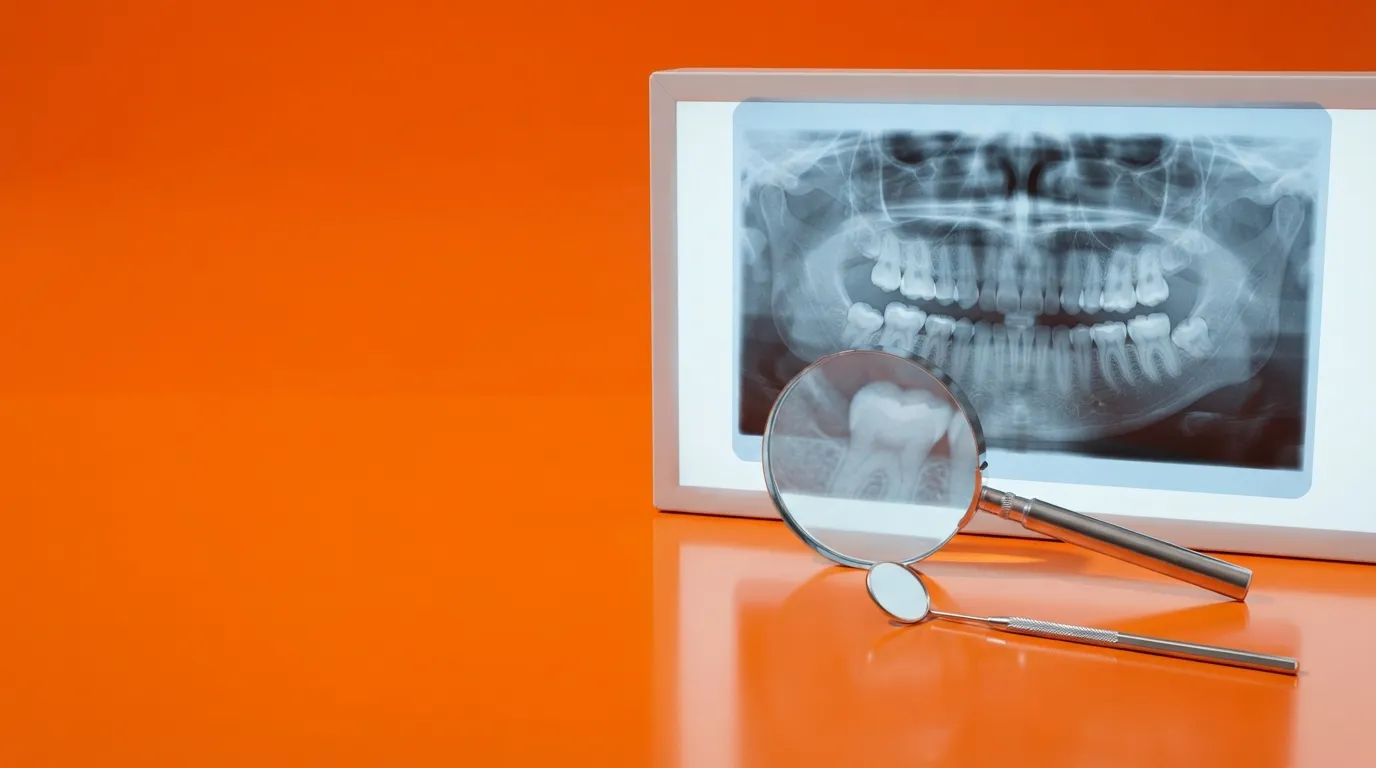
Much of what matters sits under the gum, so a look in the mirror can’t answer these questions. Studies of wisdom tooth position rely on panoramic X-rays: one UAE study reviewed 2,000 orthopantomograms. Some impaction patterns carry a higher risk of problems, and knowing them helps in deciding whether to remove an impacted lower wisdom tooth as a preventive measure.
What the guidelines say about trouble-free wisdom teeth
For wisdom teeth with no symptoms, the evidence for acting early is thin. The Cochrane reviewers found insufficient evidence either way and proposed watchful monitoring for patients with no signs or symptoms. The Scottish SIGN and UK NICE guidelines concluded that, given the costs and risks, there was no valid evidence to support removing symptom-free wisdom teeth as a preventive measure. These are UK and international sources, and your own dentist’s advice, based on your X-ray, comes first.
Questions to ask at your appointment
- Are my wisdom teeth fully erupted, partly erupted or buried?
- Do they have enough room, and do they have a partner tooth?
- Is there any decay or gum trouble around them or the teeth next to them?
- Should we monitor them, and how often?
- Could a healthy one be useful later, as a spare or an anchor?
Whether a wisdom tooth is worth keeping depends on its position, angle, room, health and partner tooth. Only an X-ray and an exam can answer that, so the right decision is the one made with your dentist.
Common Myths About Wisdom Teeth Importance

Wisdom teeth attract a lot of folklore. Here are four of the most common beliefs, with what is actually known about each.
Myth 1: “Wisdom teeth make you smarter.”
The truth: The name has nothing to do with intelligence. These teeth simply appear at an age when a person was traditionally considered to have gained some wisdom, in late adolescence and early adulthood. Having them, or not having them, says nothing about how clever you are.
Myth 2: “Everyone needs to have them removed.”
The truth: Not if they are healthy and causing no trouble. As covered above, the Cochrane reviewers propose watchful monitoring of wisdom teeth in patients with no signs or symptoms of pain or discomfort, and the SIGN and NICE guidelines found no valid evidence for removing symptom-free wisdom teeth as a preventive measure. Whether yours should come out depends on your own X-ray and your dentist’s judgment.
Myth 3: “Wisdom teeth are always harmful.”
The truth: Many cause no problems at all. Some reports say every fifth person has anatomically and functionally normal wisdom teeth. Even among impacted teeth, problems are not universal: in one UAE study, 126 impacted teeth (18.36%) had associated carious lesions, which means most did not. Impacted teeth do carry added risks, which is why they are checked, but “always harmful” goes too far.
Myth 4: “Wisdom teeth are completely useless.”
The truth: Usually modest in value, but not zero. A fully erupted wisdom tooth with a partner tooth grinds food like any other molar. A healthy one can stand in if another molar is lost, or serve as an anchor for dental work. And they are a source of research interest: dental pulp stem cells were first isolated from an extracted third molar in 2000, and that research continues.
A note on the crowding myth
The belief that wisdom teeth push your front teeth out of line is another common one, and we covered it in its own section above. The short version is that the evidence doesn’t show they are the main cause.
Key takeaway: The truth about wisdom teeth sits between the extremes. They don’t make you smarter, they don’t all need to come out, they aren’t always harmful, and they aren’t always useless. Which description fits yours depends on your own mouth.
Frequently Asked Questions
Are wisdom teeth important for chewing?
Only modestly. A wisdom tooth that is fully erupted, upright and paired with a tooth in the opposite jaw adds grinding surface at the back of the mouth. Chewing doesn’t depend on it, though. Even losing a second molar, which sits in front of the wisdom tooth, is estimated to reduce chewing efficiency by only about 5% to 7%.
Do wisdom teeth have any purpose today?
Yes, but a smaller one than they once had. A healthy wisdom tooth can help with chewing, stand in for a lost molar or anchor a dental bridge. They are also a research interest: dental pulp stem cells were first successfully isolated from an extracted third molar in 2000.
Is it bad to be born without wisdom teeth?
No. It is a recognized variation, and people without them chew, speak and smile normally. How common it is varies by population. In one study of an Italian and Lebanese sample, 66 of 282 people (23.4%) had third molar agenesis. Dental literature itself counts 28 (or 32) teeth as the normal range.
Should I remove my wisdom teeth if they don’t hurt?
Not automatically. For wisdom teeth with no symptoms, guidelines suggest watchful monitoring rather than routine removal. Your dentist can check them with an X-ray and tell you whether they are worth keeping, worth watching or worth planning around.
Do wisdom teeth affect your jaw or face shape?
Dentists generally say no. The explanation is that wisdom teeth grow in the dental alveolus, the part of the jaw separate from the basal jawbone that determines face shape.
Are wisdom teeth a sign of intelligence?
No. The nickname has nothing to do with intelligence. These teeth appear at an age when a person was traditionally considered to have gained some wisdom.
Can wisdom teeth be useful in adulthood?
They can. A healthy, well-positioned wisdom tooth can serve as a spare if another molar is lost, or as the rear anchor for a bridge. Whether yours could do this is a decision for your dentist, based on an examination and X-rays.
Conclusion
So, are wisdom teeth important? The honest answer is that it depends on the tooth.
For our ancestors, they were valuable. Tough, raw diets wore molars down, and a third set of grinding teeth earned its place. Today, softer food and smaller jaws have changed the picture. Many modern mouths have little room for them, some people are born without them, and they get along fine either way.
But “no longer essential” isn’t the same as “useless.” A wisdom tooth that is fully erupted, upright, clean and paired with a partner tooth can share the chewing load. A healthy one can serve as a spare if another molar is lost, or as an anchor for dental work. And the wisdom teeth you don’t need to keep are not automatically a problem either, because many cause no trouble at all.
The takeaway is that the real question isn’t whether wisdom teeth matter in general. It is whether yours are doing a job, and only an exam and an X-ray can answer that.
If you have never had yours checked, ask your dentist for an assessment. They can tell you whether yours are worth keeping, worth watching or worth planning around, based on your own mouth.