Home » Cantilever Dental Bridges
Share your details and our team will call to confirm a time that suits you.

Explore everything included in our cantilever dental bridges care, from your first assessment to final fitting and follow-up.
We review your gap, goals and history to see if a cantilever bridge suits you.
X-rays check root health and bone support of the tooth that will carry the bridge.
We assess the supporting tooth’s strength, decay and gum health before recommending a cantilever bridge.
Your bite is carefully analysed so the bridge avoids overloading the supporting tooth over time.
If the supporting tooth needs root canal first, we complete it to protect your bridge.
A personalised plan sets bridge design, material and shade around your bite, gums and smile.
The supporting tooth is gently reshaped under local anaesthesia to receive the bridge crown comfortably.
Precise impressions capture your teeth and bite so the finished bridge fits accurately and comfortably.
A temporary bridge protects the tooth and your smile while the final bridge is made.
We discuss ceramic, zirconia and metal-supported options, balancing appearance, strength and your individual bite forces.
Your bridge is custom-made for natural shape, shade and bite, blending seamlessly with neighbouring teeth.
Smile design matches tooth shape, shade and gum line so your replacement tooth looks natural.
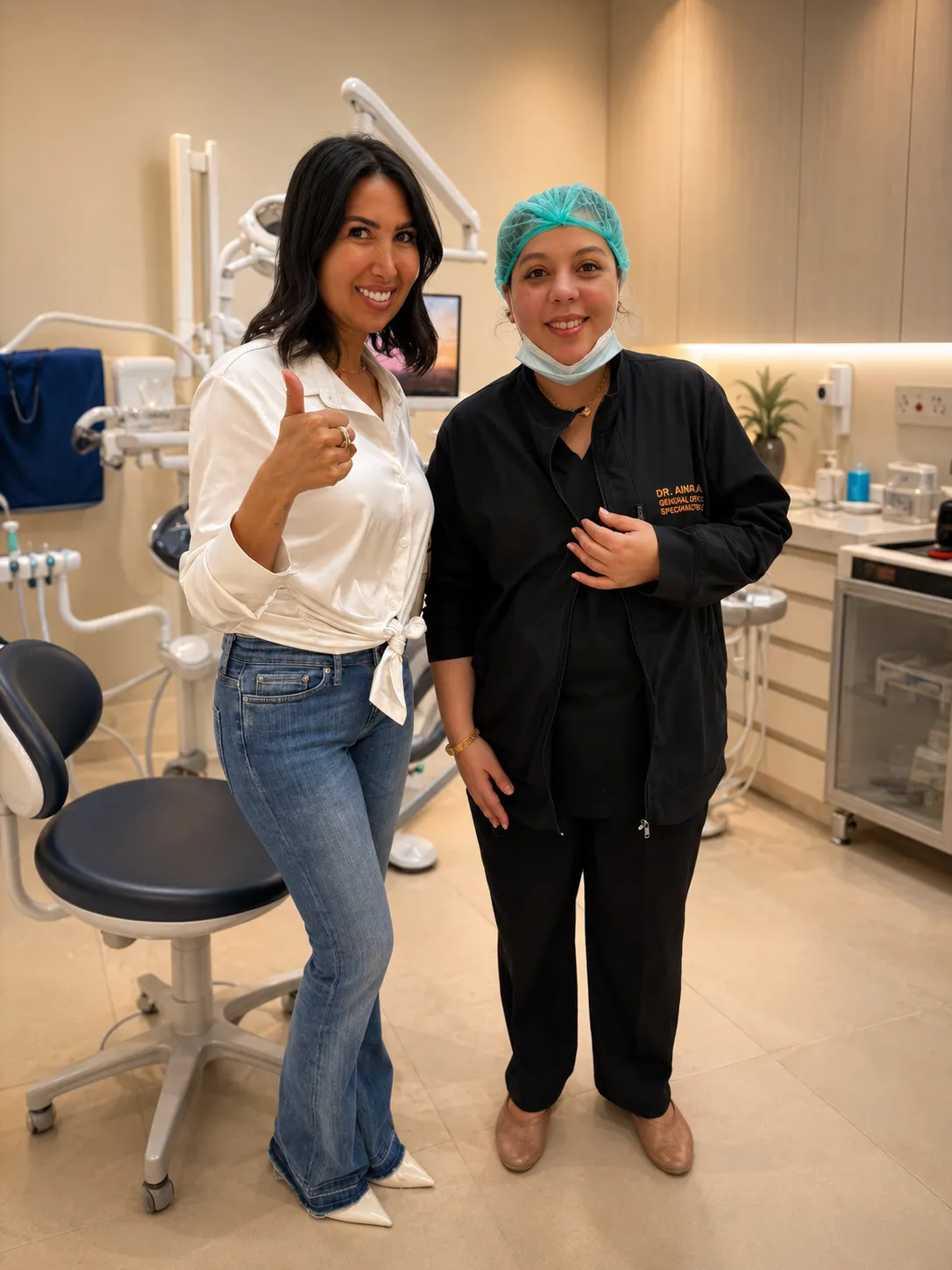
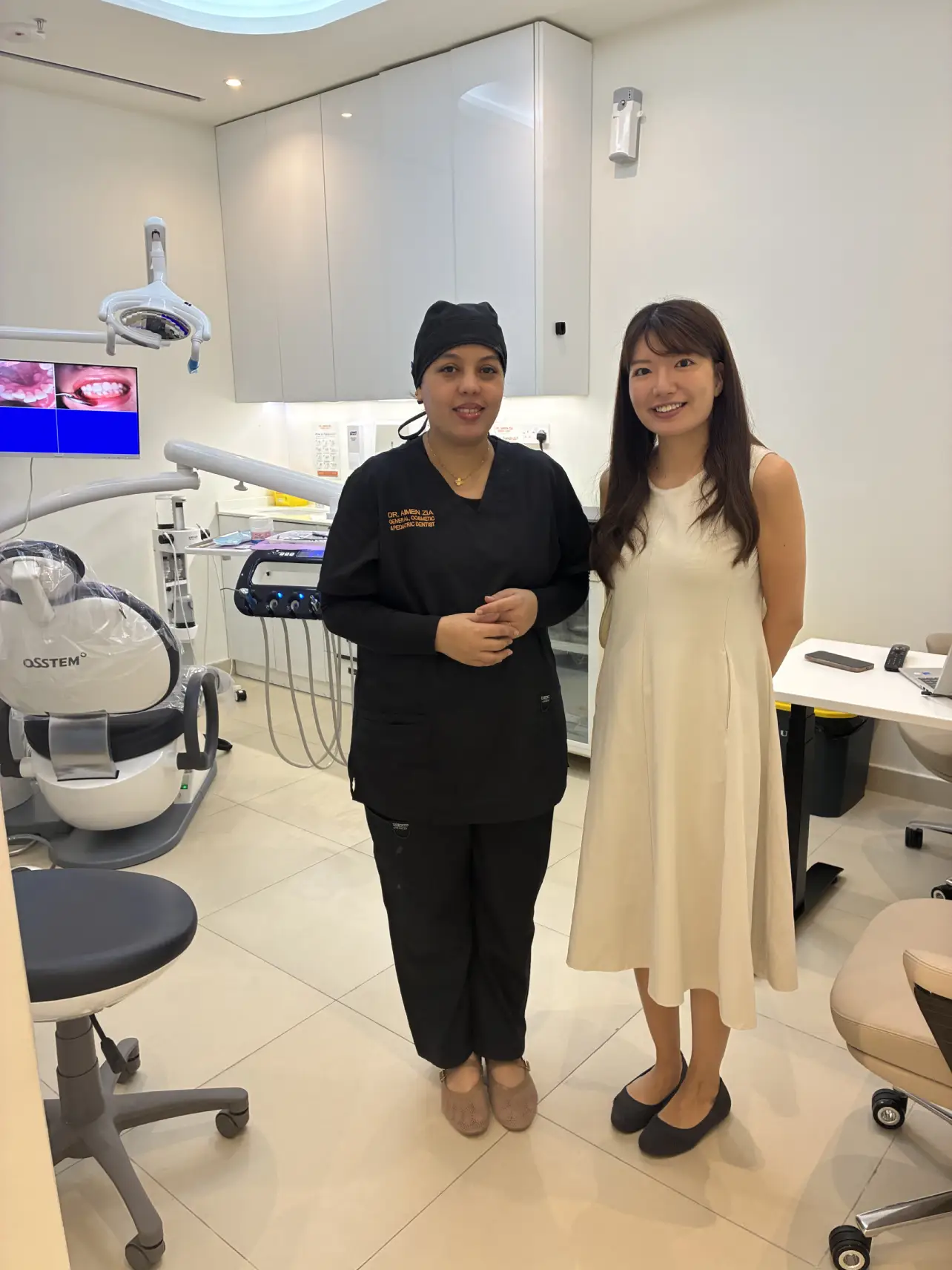
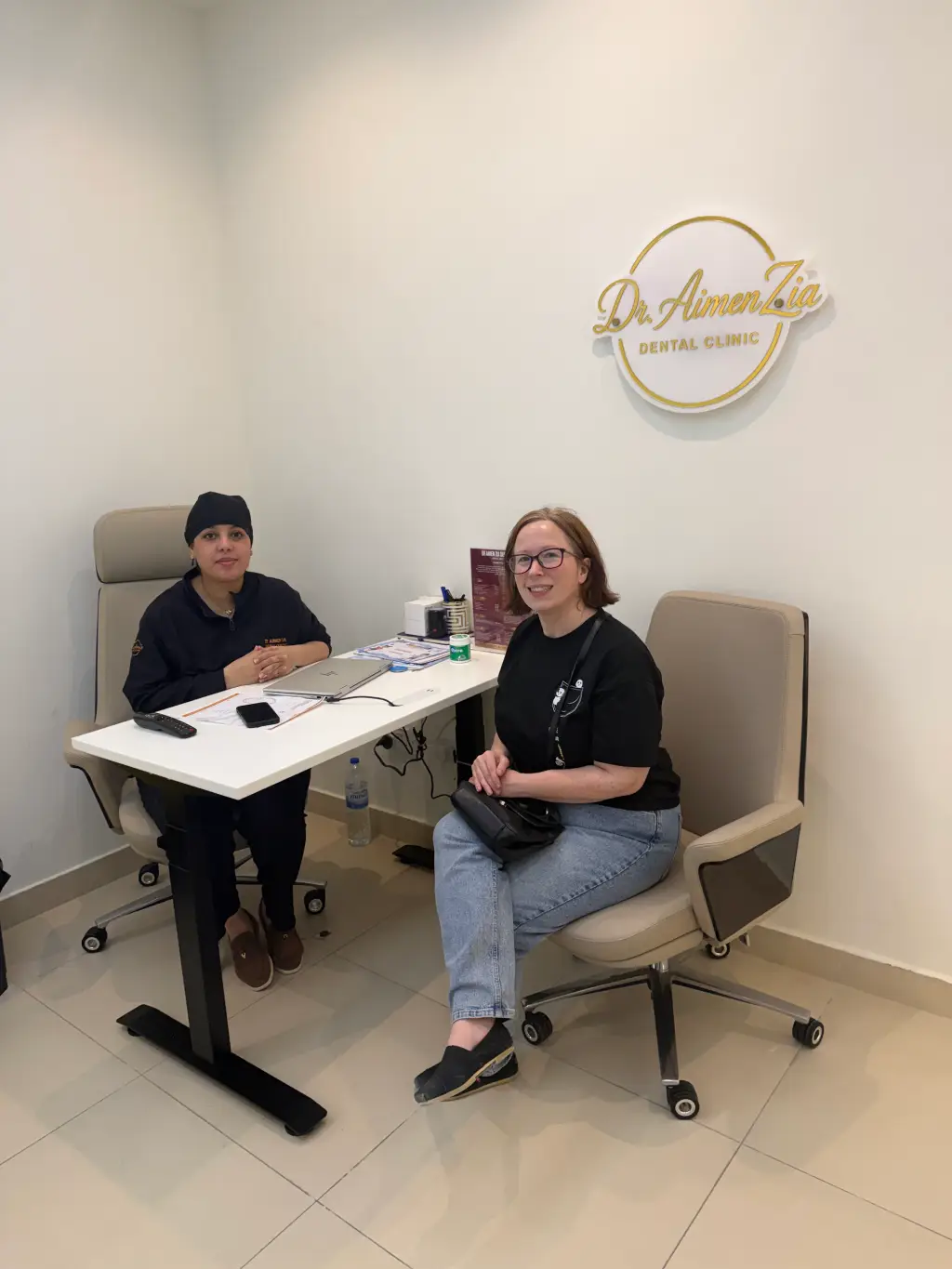
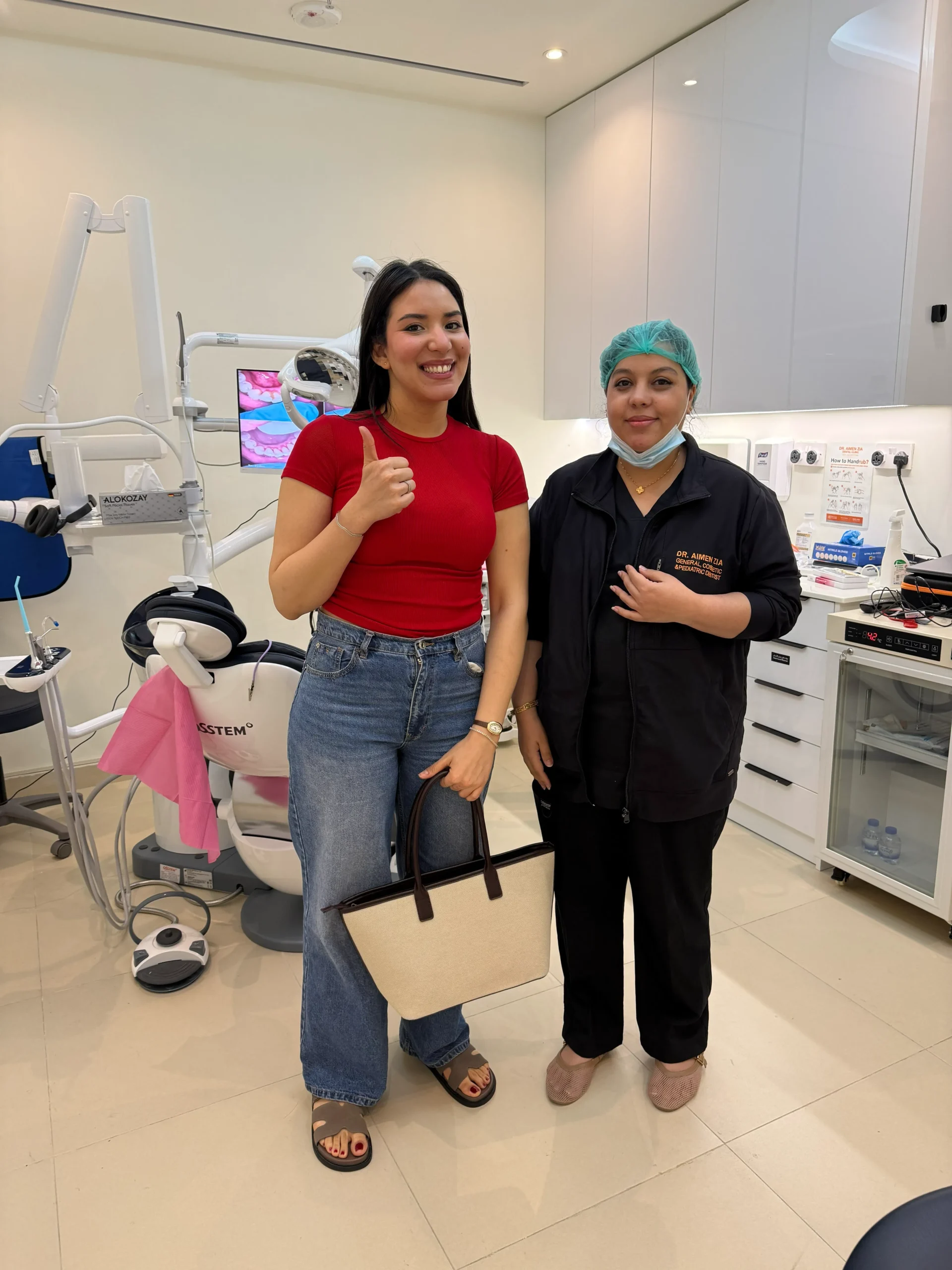
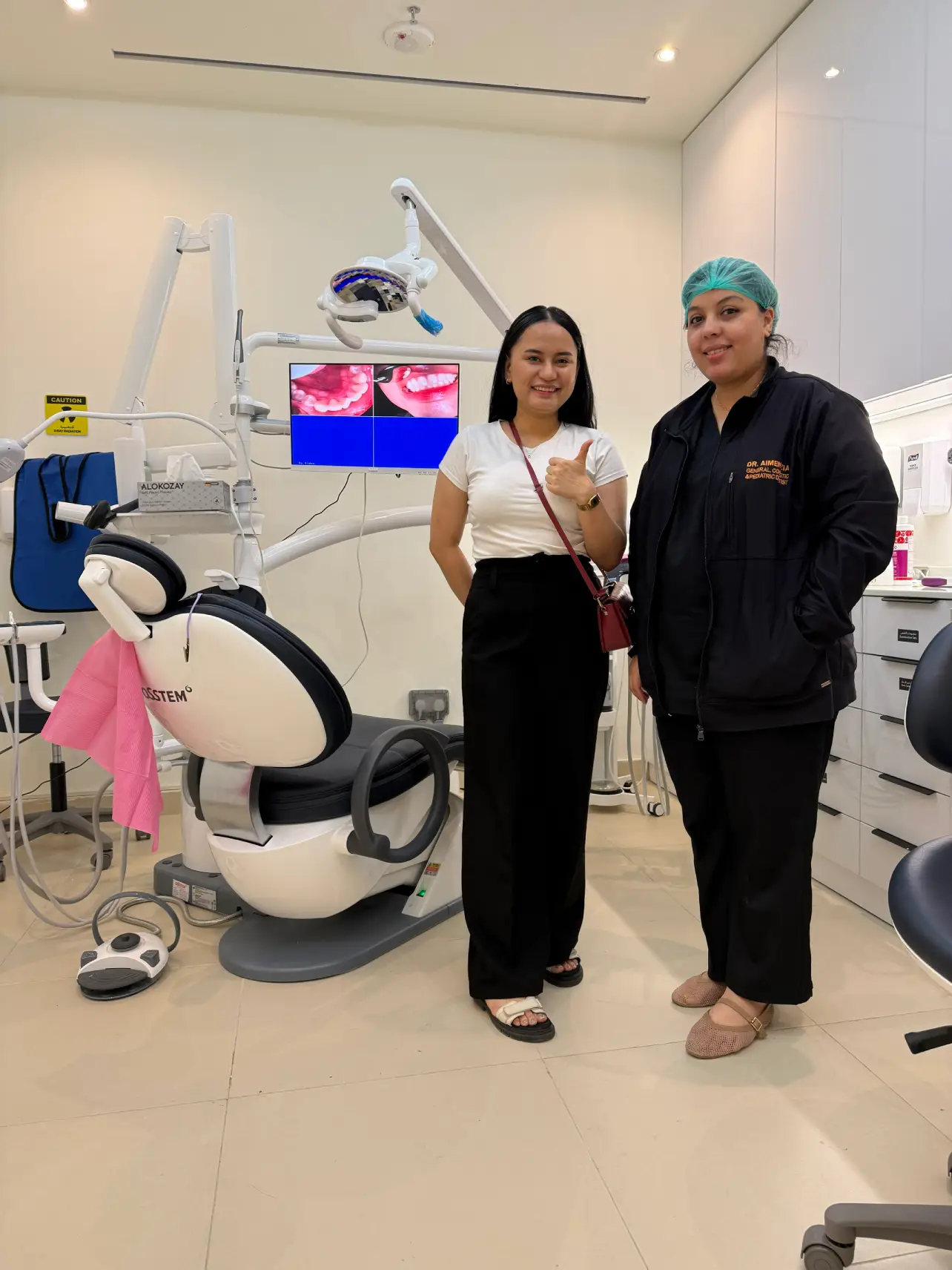
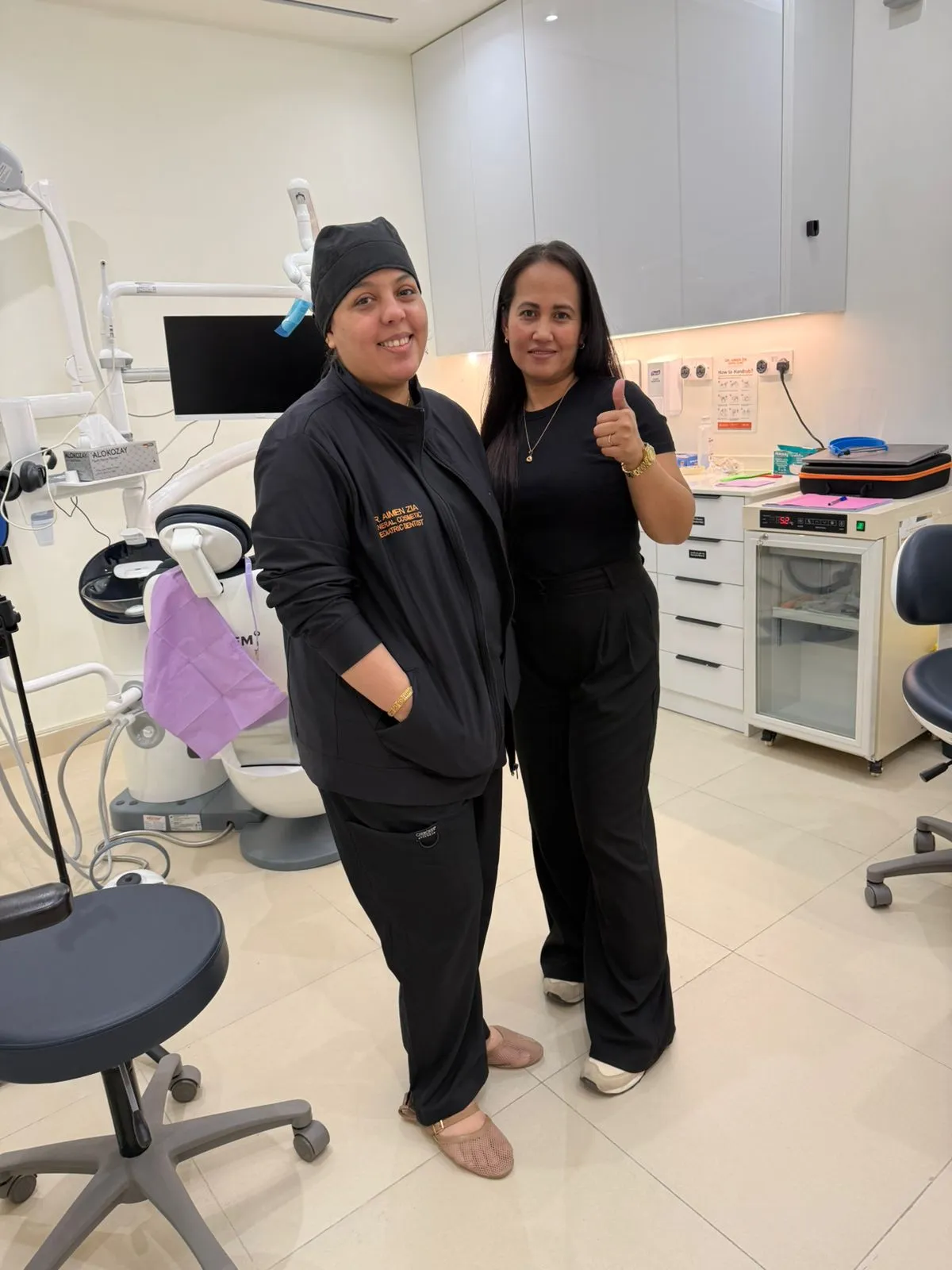


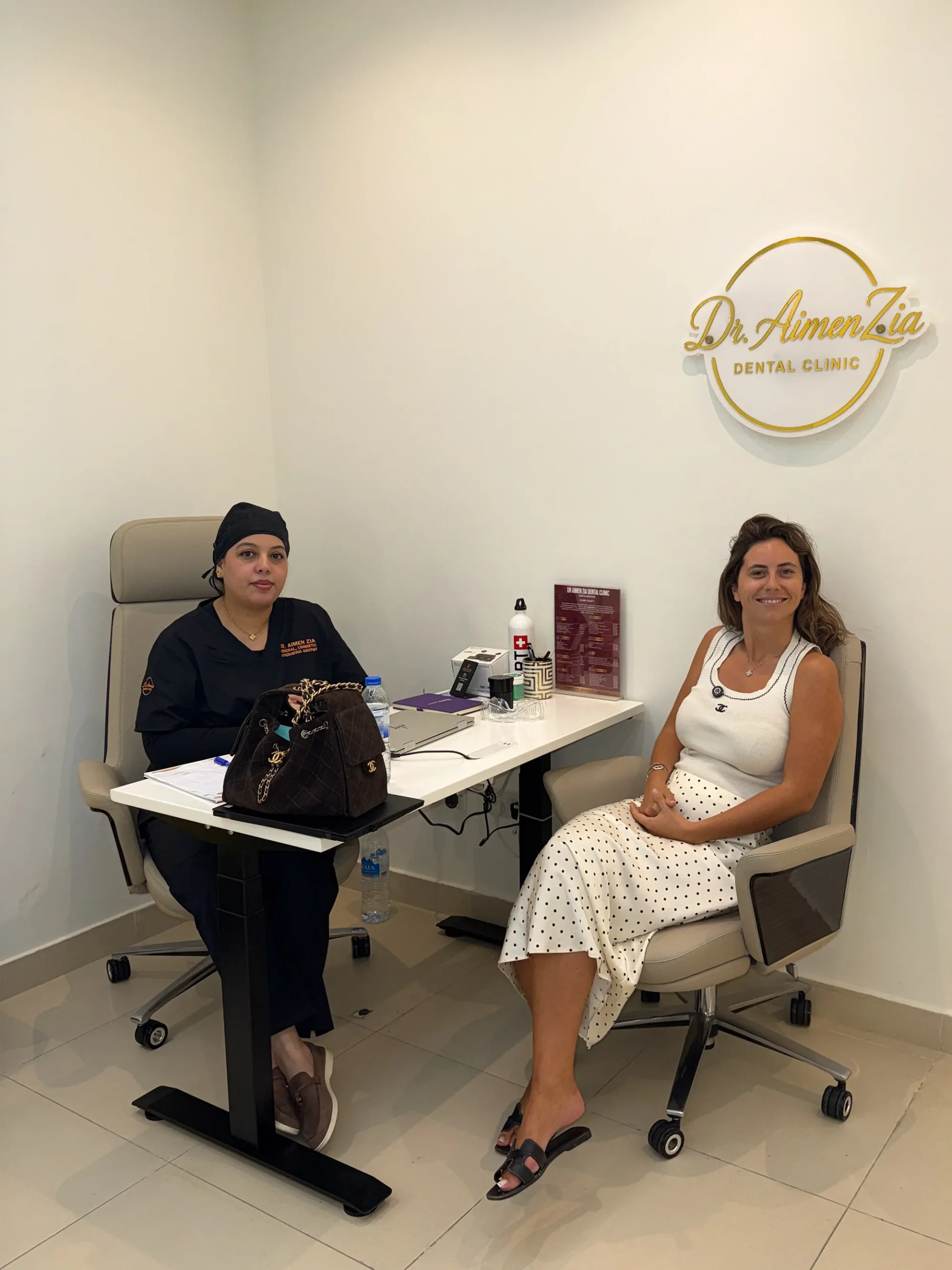
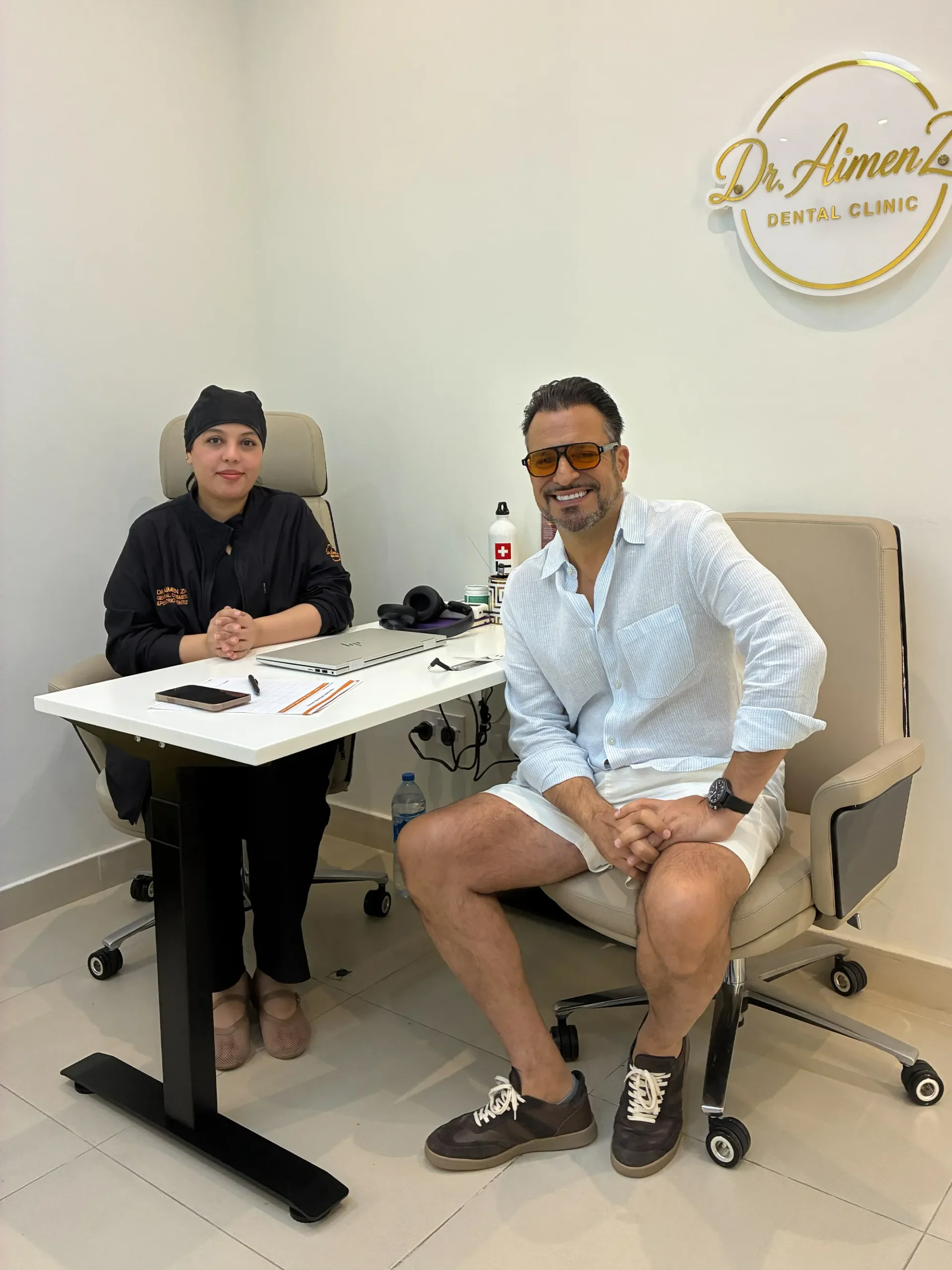
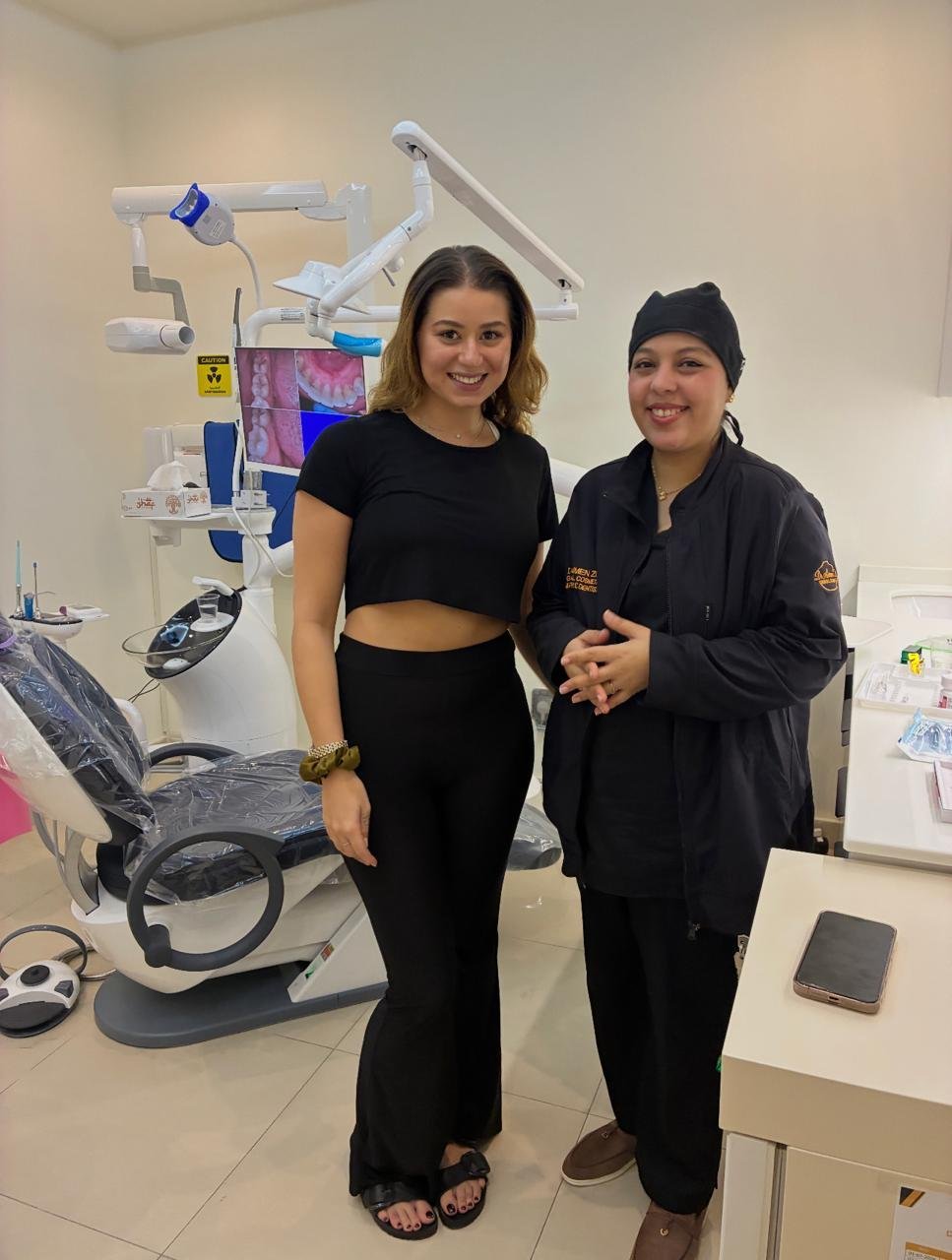
Dr. Aimen Zia examines the gap, the abutment (supporting) tooth, your gums and bone with X-rays, and analyses your bite. This assessment confirms whether a cantilever bridge is suitable, or whether an implant or traditional bridge is safer. Your shade is chosen at this stage.
Any decay or root canal needs on the supporting tooth are treated first. After local anaesthesia, the tooth is gently reshaped to receive a crown. Accurate impressions and your shade are then recorded for the dental lab, so the bridge fits precisely and matches neighbouring teeth.
A temporary bridge protects the prepared tooth and keeps your smile intact while your custom bridge is made. The pontic (replacement tooth) and its supporting crown are crafted as one piece, matched to the colour, shape and bite of your natural teeth.
Your final bridge is tried in, and its fit, bite and appearance are checked and adjusted. It is then cemented onto the supporting tooth. You receive cleaning guidance for under the bridge, plus follow-up check-ups to protect both the bridge and the support tooth.


 Trustindex verifies that the original source of the review is Google.
 Trustindex verifies that the original source of the review is Google.
 Trustindex verifies that the original source of the review is Google.
 Trustindex verifies that the original source of the review is Google.
 Trustindex verifies that the original source of the review is Google.
 Trustindex verifies that the original source of the review is Google.
Wait until numbness fades before eating or drinking hot liquids.
Eat soft foods on the first day while cement sets.
Use super floss, threader or water flosser under it daily.
Brush gently around the crown and gumline with fluoride toothpaste.
Attend regular check-ups to monitor your bridge and support tooth.
Ice, nuts and hard sweets can crack or loosen it.
Toffee and chewing gum can pull a new bridge loose.
Never chew pens or nails, or open packets with teeth.
Plaque under the bridge can cause decay and gum disease.
Call us promptly if it feels loose, high or painful.
A cantilever bridge is not as strong as a traditional bridge, because all chewing force passes through one supporting tooth. That is why it suits front teeth and premolars with lighter bite forces, and is usually avoided for molars. Dr. Aimen Zia checks your bite and the supporting tooth first, and recommends an implant or traditional bridge if that is safer.
An implant stands alone in the jawbone, protects neighbouring teeth and generally lasts longer, but costs more and needs surgery and healing time. A cantilever bridge is non-surgical, usually takes two appointments and is fixed on one tooth. The right choice depends on your bone, supporting tooth, bite and budget. We explain both honestly, with an in-house oral surgeon available.
Brush twice daily and clean under the false tooth every day using super floss, a floss threader, an interdental brush or a water flosser. Mild gum bleeding in the first week or two usually settles. Avoid hard, sticky or crunchy foods for the first 24 hours while the cement sets, then eat normally while avoiding very hard objects.
Dr. Aimen Zia examines the supporting tooth’s roots, decay, gum health and bone with X-rays, then analyses your bite and the position of the missing tooth. A cantilever is recommended only when one strong neighbouring tooth can safely carry the bridge and bite forces are light. If not, you receive clear advice on implants, traditional bridges or Maryland bridges, with reasons explained.
Most cantilever bridges take two appointments. At the first, the supporting tooth is numbed with local anaesthesia and reshaped, impressions and shade are taken, and a temporary bridge is placed. At the second, the final bridge is checked for fit and bite, then cemented. You should feel pressure but not pain, and mild sensitivity for a few days is normal.
Call or WhatsApp +971 505 215 971 to book at our clinic in BQ Residences, Jumeirah Garden City, Al Satwa, Dubai. Our English and Arabic speaking team will guide you through assessment, X-rays and your treatment options. Dr. Aimen Zia is a DHA-certified dentist, and our clinic is registered with the Dubai Health Authority.
Chat With Us
info@draimenziadentalclinic.ae
Book Now
BQ RESIDENCES, Jumeirah Garden City, 23rd St, Al Satwa, Dubai, United Arab Emirates
BQ Residences, Jumeirah Garden City, 23rd St, Al Satwa, Dubai
WhatsApp us