
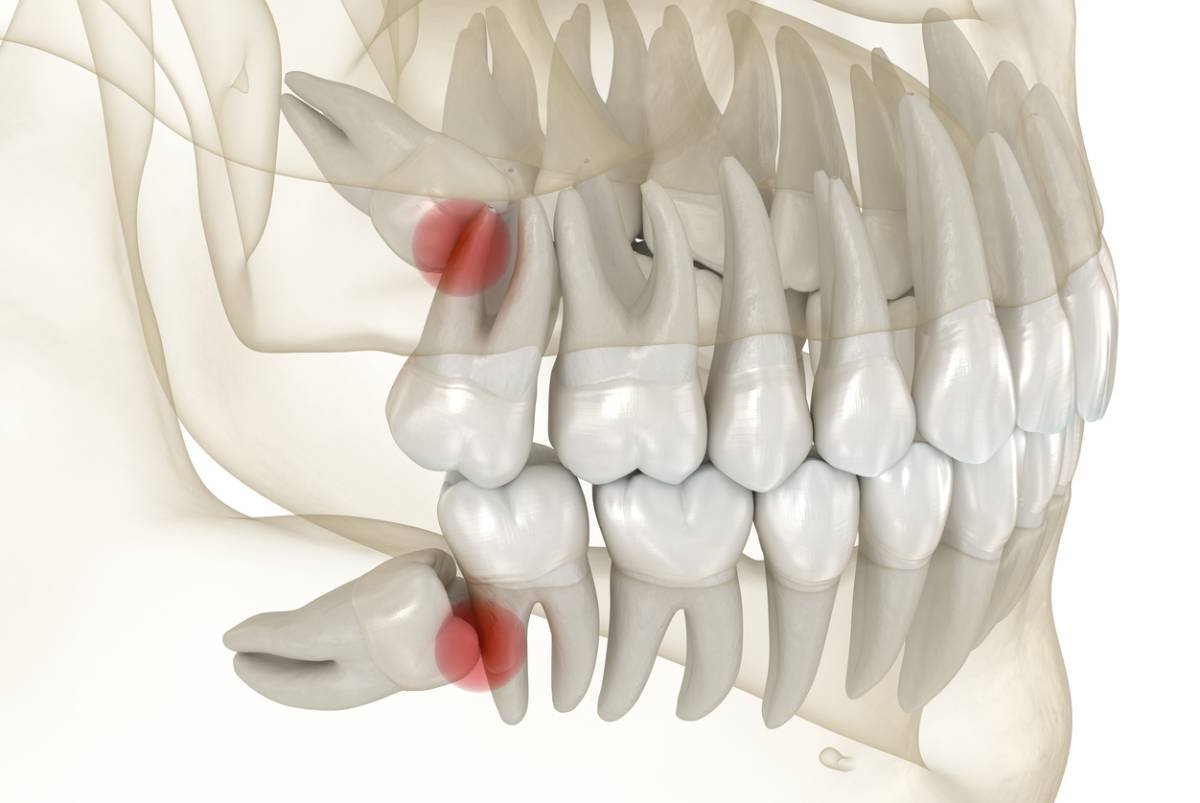
The eruption of wisdom teeth, also known as third molars, is a common dental milestone that often occurs in late teenage years or early adulthood. However, this process can be quite painful and uncomfortable for many individuals. As wisdom teeth try to break through the gums, they may become impacted—trapped beneath the gum line or against neighboring teeth—leading to swelling, pressure, and throbbing pain in the back of the mouth. This pain can range from mild soreness to severe discomfort, sometimes radiating to the jaw, ear, or head. Early recognition of symptoms is crucial for timely intervention and to prevent complications such as infection or misalignment.
Wisdom tooth pain is primarily caused by the teeth pushing against other teeth, gum tissue, or becoming partially erupted and exposed to bacteria. When there is not enough space in the jaw for the wisdom teeth to fully emerge, they can cause surrounding teeth to shift and create crowding. Partially erupted wisdom teeth can form a flap of gum tissue that traps food debris and bacteria, increasing the risk of infection.
Ignoring the pain of erupting wisdom teeth can lead to more serious dental problems. Impacted teeth may cause cyst formation, tooth decay, gum disease, or even damage to adjacent teeth. Chronic pain and infection are common if the issue is not treated, and in some cases, severe swelling may spread to the cheeks or throat, posing risks for overall health.
There are several effective methods to alleviate wisdom tooth pain at home before seeing a dentist. Over-the-counter pain relievers and anti-inflammatory medications can help reduce pain and swelling, while rinsing with warm salt water soothes inflamed gums. Good oral hygiene is vital, so try to gently clean the area even if it is sensitive.
Persistent or severe wisdom tooth pain should never be ignored. If you experience fever, swelling that makes swallowing or breathing difficult, pus discharge, or pain that does not subside with home care, visit your dentist as soon as possible. Professional evaluation may include dental X-rays and examination to determine the position of the wisdom tooth and the best course of treatment.
Addressing wisdom tooth pain early at Zia Dental Care & Aesthetics ensures quick relief and helps prevent complications. By intervening promptly, you can maintain the alignment and integrity of your teeth and enjoy improved oral health. We provide minimally invasive procedures, modern sedation options, and personalized aftercare to ensure a comfortable and speedy recovery.
Depending on how well you care for your teeth, the results of in-office whitening can last from 6 months to 2 years. Your dentist or hygienist may suggest a top-up kit you can do at home. You can also book for a touch up session after 6 months or a year, as advised.
Depending on how well you care for your teeth, the results of in-office whitening can last from 6 months to 2 years. Your dentist or hygienist may suggest a top-up kit you can do at home. You can also book for a touch up session after 6 months or a year, as advised.
Depending on how well you care for your teeth, the results of in-office whitening can last from 6 months to 2 years. Your dentist or hygienist may suggest a top-up kit you can do at home. You can also book for a touch up session after 6 months or a year, as advised.
Depending on how well you care for your teeth, the results of in-office whitening can last from 6 months to 2 years. Your dentist or hygienist may suggest a top-up kit you can do at home. You can also book for a touch up session after 6 months or a year, as advised.
Depending on how well you care for your teeth, the results of in-office whitening can last from 6 months to 2 years. Your dentist or hygienist may suggest a top-up kit you can do at home. You can also book for a touch up session after 6 months or a year, as advised.
Depending on how well you care for your teeth, the results of in-office whitening can last from 6 months to 2 years. Your dentist or hygienist may suggest a top-up kit you can do at home. You can also book for a touch up session after 6 months or a year, as advised.
WhatsApp us
Cleaner teeth, Brighter smile.
Ready For Brighter Smile?
Fill in your details and our team will confirm your slot.
🔒 Your information is kept private.