
Laser devices emit specially calibrated light, which interacts with dental tissues in unique ways. When this light encounters decayed or abnormal tissue, it reflects differently than it does from healthy tissue. The laser system detects these changes and delivers real-time feedback to the dentist.
Key points about the process include:
Laser diagnostics are highly efficient in identifying multiple dental concerns, such as:
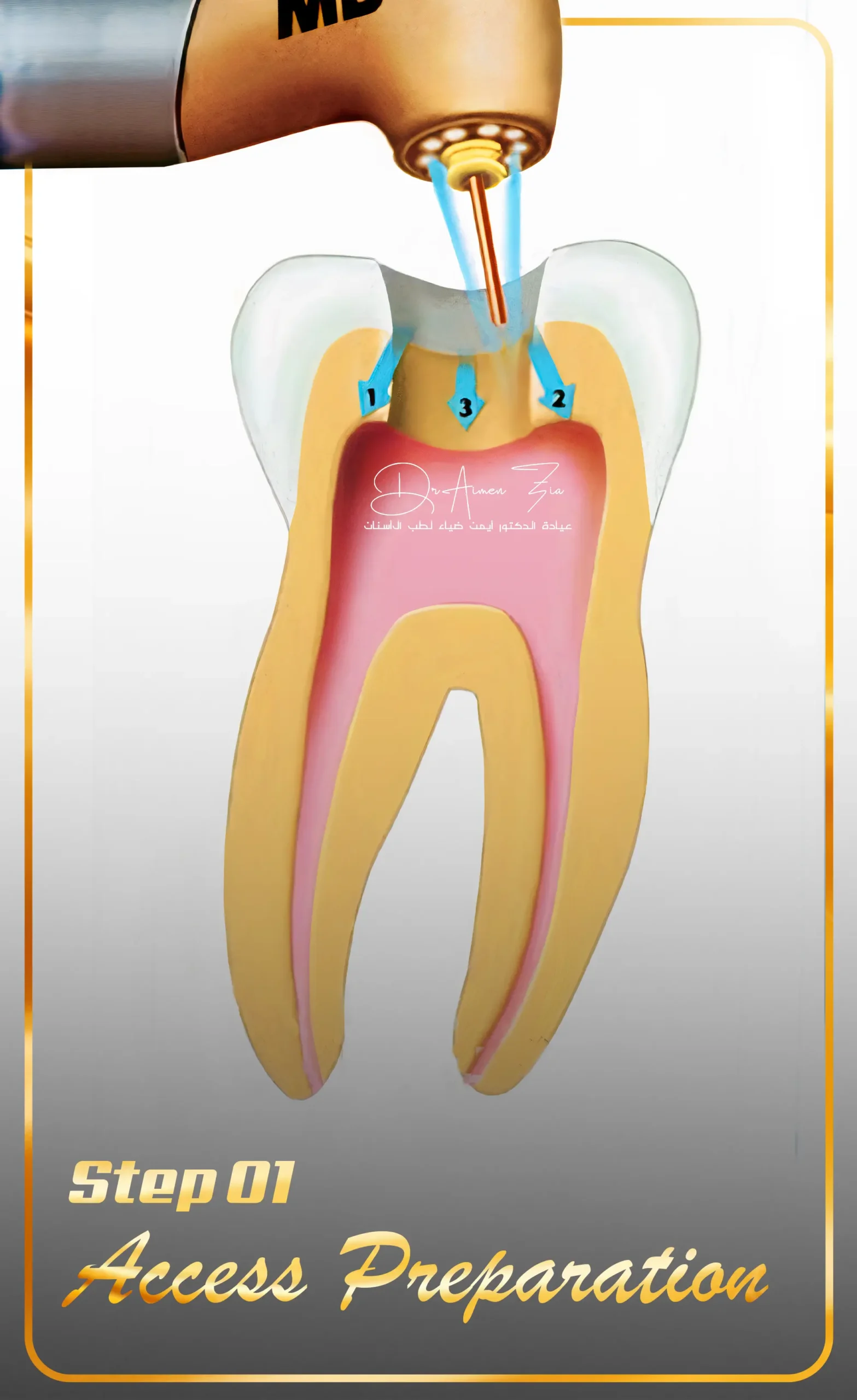
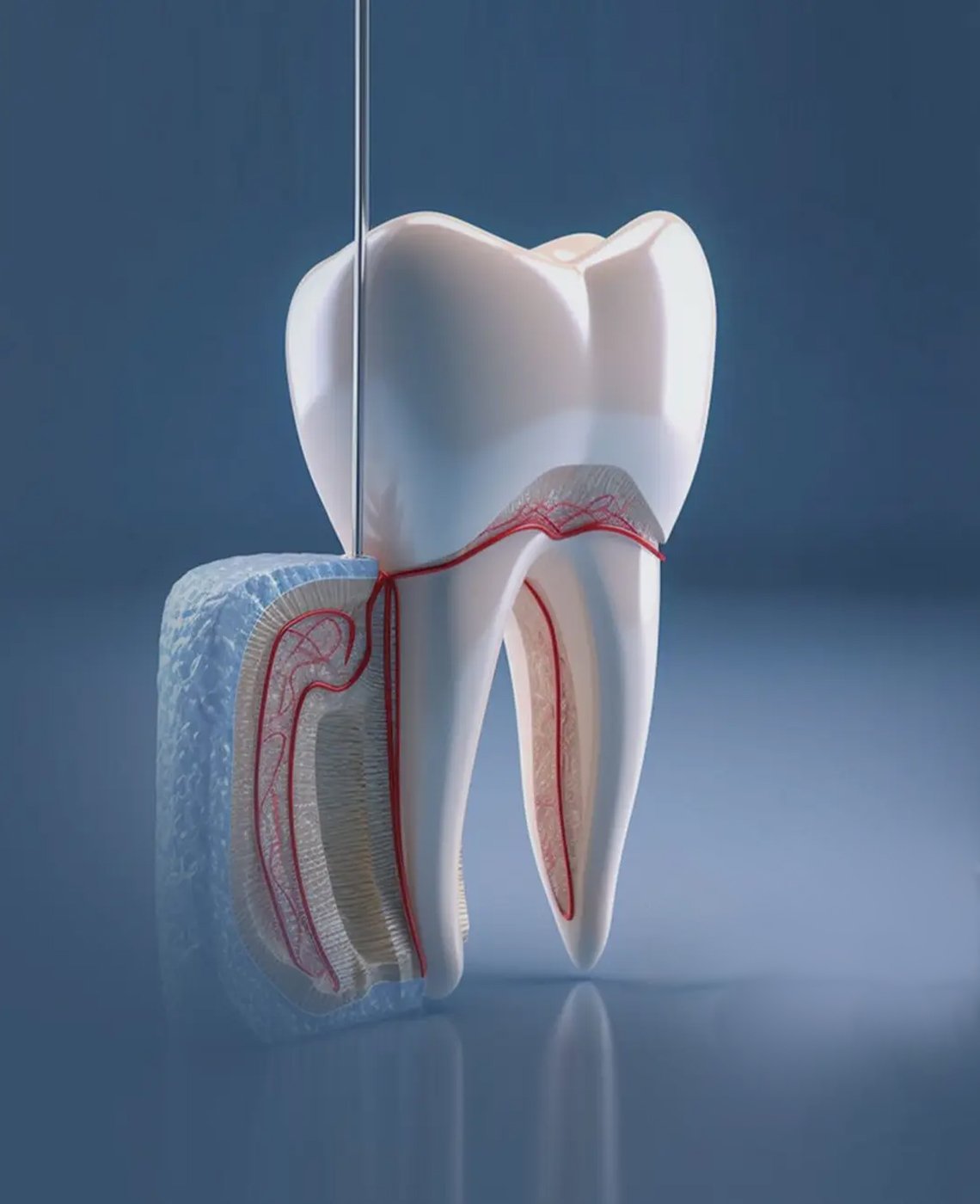
The first step in a laser root canal treatment is Access Preparation, where the dentist carefully creates an opening through the crown of the tooth to reach the pulp chamber and root canals. This step is crucial as it allows visibility and access to the infected or damaged tissue inside the tooth. The use of advanced dental microscopes and precision tools ensures that as much healthy tooth structure as possible is preserved. Proper access is essential for the success of the entire treatment, allowing subsequent steps—such as cleaning and disinfection—to be thorough and effectiv
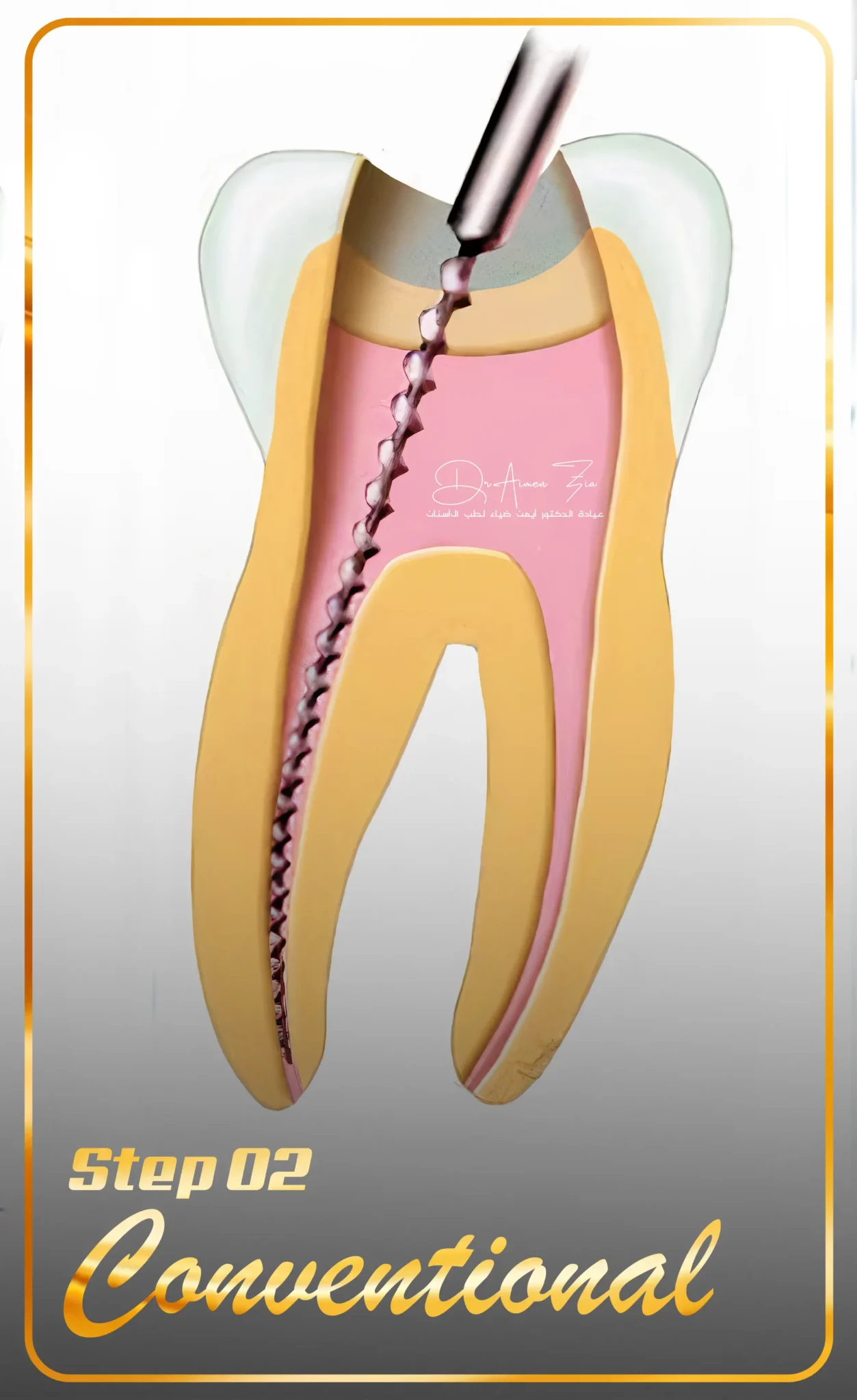
After gaining access, the dentist proceeds with Conventional Cleaning and Shaping using specialized manual and rotary instruments. This step removes most infected pulp tissue, bacteria, and debris mechanically from the canals. In laser-assisted procedures, conventional methods are still necessary to initially enlarge the canals and prepare them for optimal laser effectiveness. This combination ensures a deep, thorough cleaning while retaining tooth integrity. Accurate shaping is also vital for future filling and sealing, reducing the risk of failure or reinfection.
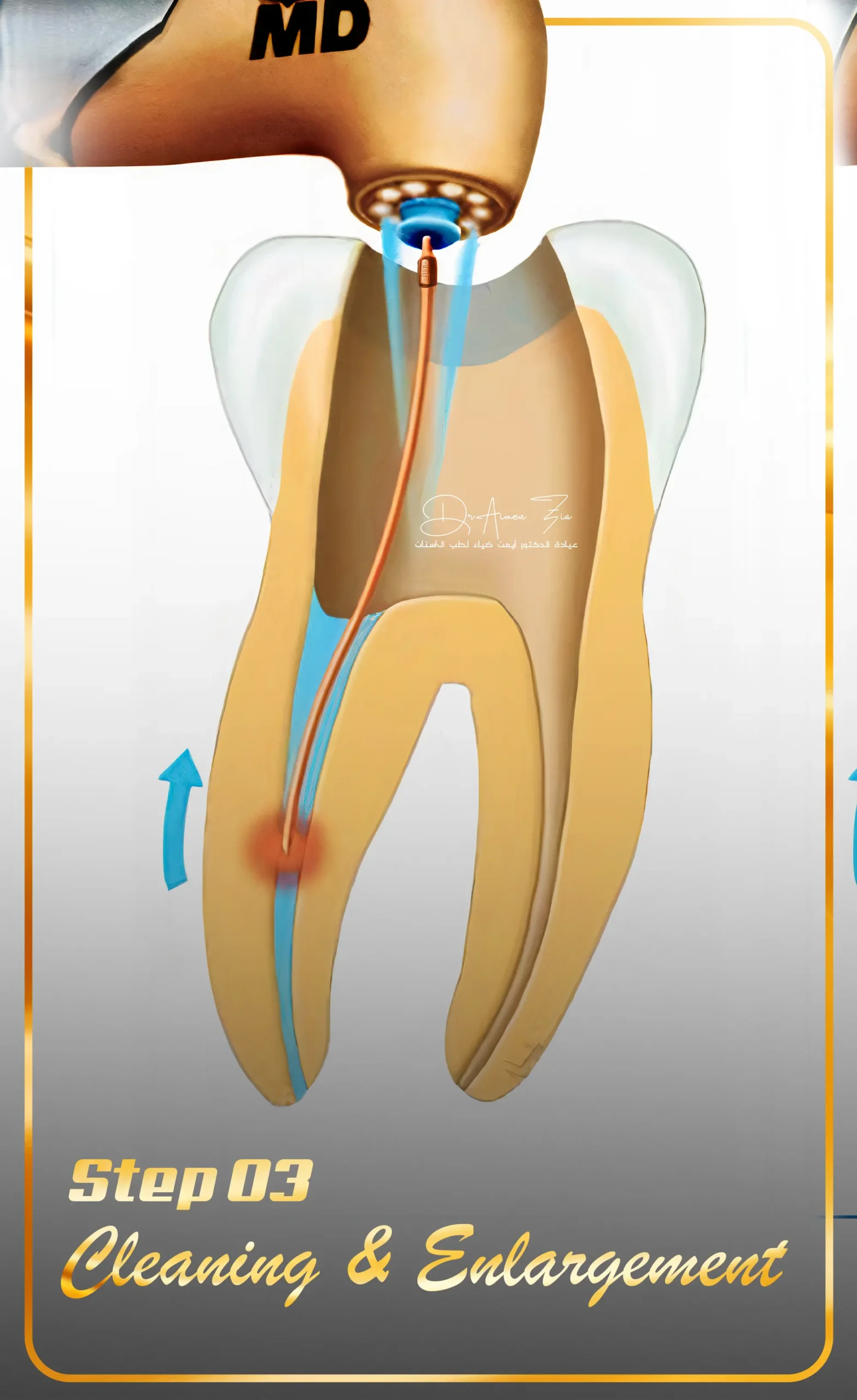
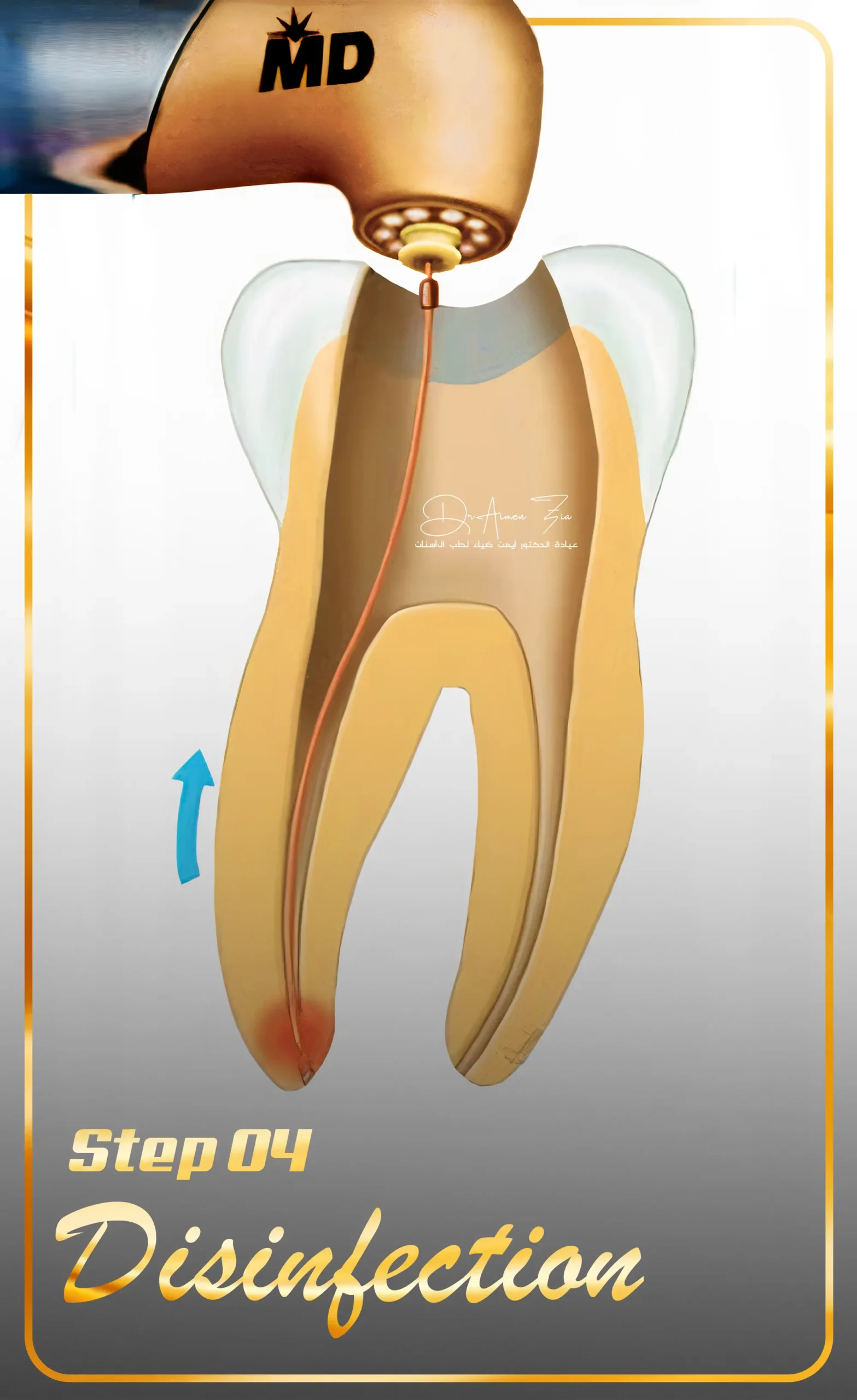
The final critical step is Disinfection, where laser technology takes center stage. The dental laser is directed within the prepared canals, emitting energy that vaporizes remaining bacteria, dissolves debris, and sterilizes areas unreachable by manual instruments. This advanced approach not only assures maximum cleanliness and reduction of harmful microbes, but also promotes tissue healing and sealing. Many patients experience less post-treatment discomfort and faster recovery with laser disinfection.
At Dr Aimen Zia Dental Aesthetic Clinic in Dubai, we are committed to offering the most accurate, comfortable, and advanced dental diagnostics available. Our team is extensively trained in laser technology, ensuring reliable results for adults and children alike. By choosing us, you receive precise examinations, early intervention, and personalized care plans driven by technology and compassion, resulting in healthier smiles and greater peace of mind.
Yes, dental lasers are FDA-approved, safe, and have a long history of successful clinical use.
No, the procedure is generally pain-free and does not require numbing.
Most patients experience significant relief immediately after the session.
Side effects are extremely rare; the treatment is non-invasive and does not damage tooth structure.
Relief can last for months or even longer, though results may vary depending on oral habits and hygiene.
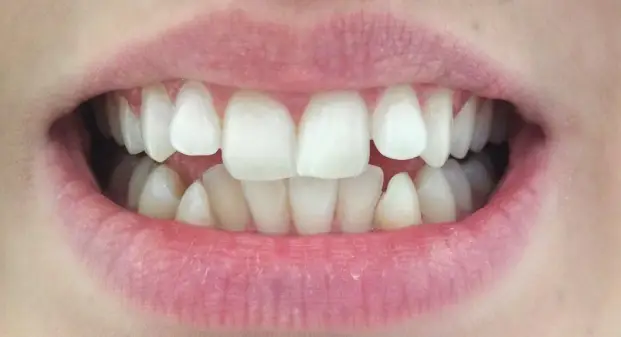
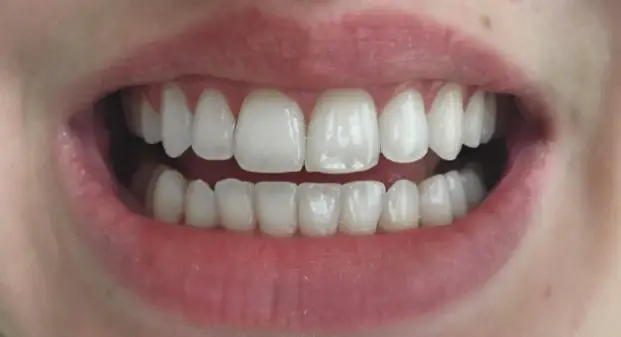
Depending on how well you care for your teeth, the results of in-office whitening can last from 6 months to 2 years. Your dentist or hygienist may suggest a top-up kit you can do at home. You can also book for a touch up session after 6 months or a year, as advised.